Prospect Heights Dining Guide and What Daily Life Feels Like
June 4, 2026
June 4, 2026
Looking for a Brooklyn neighborhood where your weekend coffee run, park time, museum visit, and dinner plans can all fit into one easy routine? Prospect Heights stands out for exactly that reason. If you are thinking about living here, visiting more often, or simply getting a feel for the area, this guide will walk you through the dining scene and the day-to-day rhythm that gives Prospect Heights its appeal. Let’s dive in.
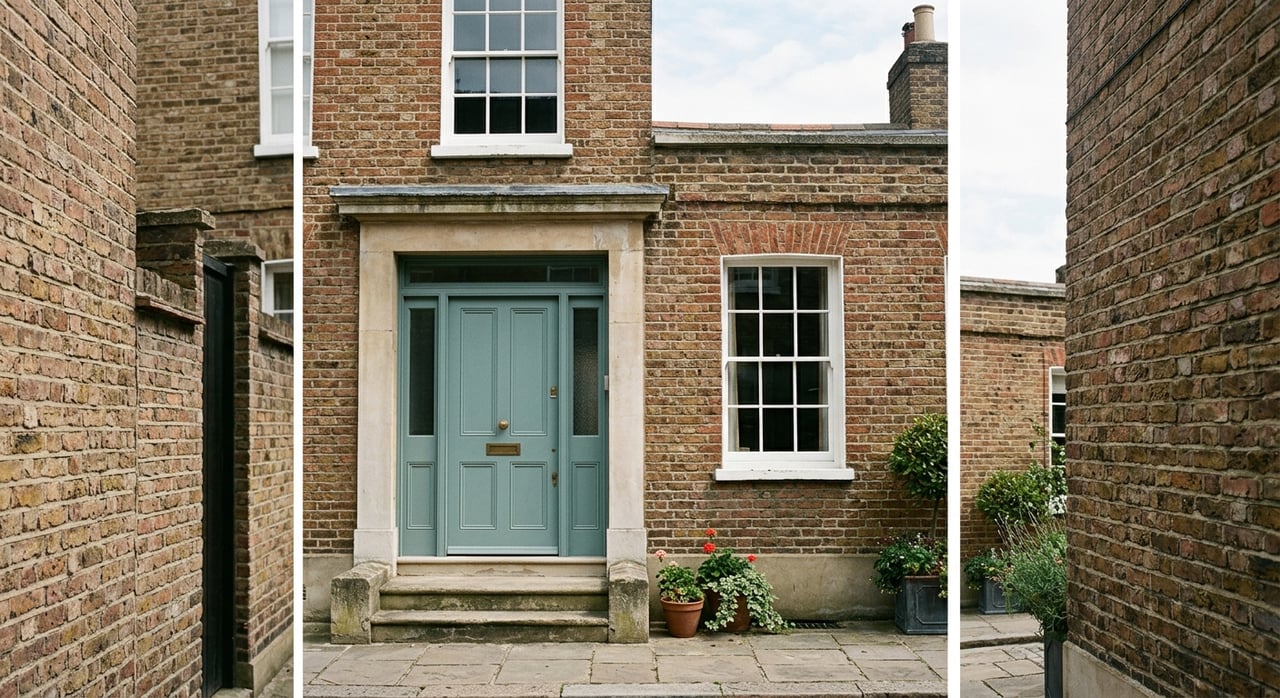
Prospect Heights is a historic district of roughly 850 buildings, made up mostly of row houses and apartment buildings, and generally bounded by Atlantic Avenue, Eastern Parkway, Flatbush Avenue, and Washington Avenue. That compact footprint helps explain why the neighborhood feels so usable on a daily basis.
Rather than revolving around one central business district, Prospect Heights works more like a connected local ecosystem. You have residential blocks, a few strong commercial corridors, and easy access to major cultural institutions and park space. That mix gives the area an active feel without losing its neighborhood scale.
Vanderbilt Avenue is widely understood as Prospect Heights’ main street, and it plays a big role in how the neighborhood functions. Local improvement work there has included traffic calming, historic lighting, and open-street programming, which supports a more people-focused street experience.
In practical terms, Vanderbilt feels like an all-day corridor. It is not just a place for one dinner reservation or a quick errand. It works for coffee in the morning, a casual lunch, and an evening drink, which makes it central to daily life in Prospect Heights.
If you like to ease into the day with coffee and a pastry, Vanderbilt gives you reliable options. Ciao, Gloria at 550 Vanderbilt operates as a daytime café and bakery, with weekday hours from 8 a.m. to 5 p.m. and weekend hours from 9 a.m. to 5 p.m.
That kind of schedule matters when you are trying to picture real life in a neighborhood. A place like this helps make Vanderbilt feel lived-in and routine-driven, not just busy at night.
Vanderbilt also supports grab-and-go meals and relaxed midday dining. Gertie at 602 Vanderbilt is a bagel-and-deli shop open every day except Tuesday, adding to the avenue’s practical, everyday appeal.
For buyers thinking about lifestyle, that is often a bigger deal than a single trendy restaurant. A neighborhood becomes more convenient when you have dependable food options built into your regular route.
At night, Vanderbilt keeps going without feeling one-note. Weather Up at 589 Vanderbilt is a long-running bar that also serves food, helping round out the corridor from day into evening.
That blend of café, deli, and bar activity is part of what makes Prospect Heights feel balanced. You can stay close to home and still have options throughout the day.
If Vanderbilt is the neighborhood’s all-day social spine, Washington Avenue feels especially dependable for breakfast, lunch, and straightforward meals. It has a practical, local character that fits Prospect Heights well.
This corridor is useful for the kind of spots people return to again and again. That repeat-visit quality says a lot about how a neighborhood actually functions for residents.
Tom’s Restaurant at 782 Washington Avenue has been there since 1936. It is known as a no-frills diner, with breakfast served all day, which gives the avenue one of its longtime anchors.
Long-running businesses add a sense of continuity to an area. In Prospect Heights, they help balance newer dining interest with places that are already part of the neighborhood routine.
Washington Avenue also includes Little Egg at 657 Washington, which operates Wednesday through Monday from 8 a.m. to 3 p.m. Banh Mi Place at 824B Washington serves Vietnamese sandwiches and pho daily except Monday.
Together, these spots reinforce the idea that Washington is not only about destination dining. It is a corridor where you can find breakfast, lunch, and an easy weeknight meal without much fuss.
One of the best things about Prospect Heights dining is that it does not stop at the main avenues. Many notable restaurants are tucked onto residential side streets, and several older restaurants continue to operate alongside newer arrivals.
That gives the neighborhood a more layered food identity. Instead of feeling manufactured or overly concentrated in one strip, Prospect Heights feels built over time, with destinations that reward repeat walks and local familiarity.
For you as a buyer or renter, that can mean more than just variety. It suggests a neighborhood where daily life unfolds block by block, not only along the busiest corridors.
Weekends in Prospect Heights often feel different from weekdays in a good way. The neighborhood has a clear public-life rhythm, especially around Vanderbilt Avenue and the northern edge of Prospect Park.
Vanderbilt Avenue, between Atlantic Avenue and Park Place, is listed by NYC DOT as a full-closure Open Street on Saturdays for the 2026 season. The program is operated locally by Prospect Heights Open Streets, Inc., and it runs every Saturday from May through September.
Open Streets changes how people use the avenue. It creates more room to walk, sit, socialize, and move between local businesses at a slower pace.
For anyone trying to picture life in Prospect Heights, this is an important detail. It shows that Vanderbilt is not only a traffic corridor. On weekends, it becomes a stronger public gathering space.
At the north corner of Prospect Park, Grand Army Plaza acts as both a formal park entrance and a weekly shopping stop. It hosts a year-round Saturday Greenmarket, which gives many weekends a built-in rhythm.
That can make Prospect Heights feel especially easy to navigate. You can grab coffee, stop at the market, and head toward the park without needing a big plan.
The nearby Prospect Park features help explain why the neighborhood feels so connected to outdoor time. Around Grand Army Plaza, you are near the Long Meadow, Brooklyn’s only lake, the Lena Horne Bandshell, and the Vanderbilt Street entrance.
This park edge is a major part of daily life in Prospect Heights. It supports everything from quick walks to longer weekend routines built around green space.
Prospect Heights is not only about dining and brownstone blocks. It also benefits from major cultural and civic destinations that sit right at its edge, making the area feel unusually complete for everyday living.
The Brooklyn Museum is located at 200 Eastern Parkway, at the intersection of Eastern Parkway and Washington Avenue. The museum notes that it is steps from multiple subway and bus stops and encourages visitors to pair a trip with nearby landmarks, restaurants, and park destinations.
That cluster matters because it makes outings feel easy and connected. A museum visit does not need to be a special all-day production. In Prospect Heights, it can simply be part of a normal afternoon.
The Brooklyn Public Library’s Central Library adds another major civic anchor nearby. Together, these institutions strengthen the neighborhood’s daily usability and give it a sense of place beyond shopping and dining.
The Brooklyn Botanic Garden also has nearby entrances at 150 Eastern Parkway, 455 Flatbush Avenue, and 990 Washington Avenue. That expands the neighborhood’s access to green and cultural space in a meaningful way.
When you combine the museum, library, botanic garden, and Prospect Park, Prospect Heights starts to read as more than a residential neighborhood with a few good restaurants. It becomes a compact area where errands, leisure, and outings naturally overlap.
The easiest way to describe daily life here is simple: compact, connected, and flexible. Prospect Heights offers enough activity to keep your week interesting, but the neighborhood still feels grounded in residential blocks and repeat destinations.
You are not choosing between convenience and character as much as you might in other areas. Here, the appeal comes from how closely dining, culture, park access, and local routines fit together.
For buyers especially, that kind of day-to-day usability can matter just as much as square footage or finishes. A neighborhood that supports your real routine often feels like home faster.
If you are considering a move to Prospect Heights, lifestyle is likely a big part of the draw. The neighborhood combines historic housing stock, active commercial corridors, and access to some of Brooklyn’s best-known public institutions and green spaces.
It also offers different kinds of daily experiences within a relatively compact footprint. Vanderbilt Avenue has all-day energy, Washington Avenue feels reliable and familiar, and the surrounding streets and cultural anchors add variety without making the area feel oversized.
That blend can appeal to many types of buyers, whether you want a neighborhood with walkable routines, easy weekend plans, or a stronger connection to Brooklyn’s civic and cultural life.
If you are exploring Prospect Heights as your next move, working with a team that understands how neighborhood lifestyle connects to real estate decisions can make the search a lot clearer. When you are ready to talk about buying, selling, or understanding your options in Brooklyn, connect with The Valvo Team.
Stay up to date on the latest real estate trends.


We pride ourselves in providing personalized solutions that bring our clients closer to their dream properties and enhance their long-term wealth.