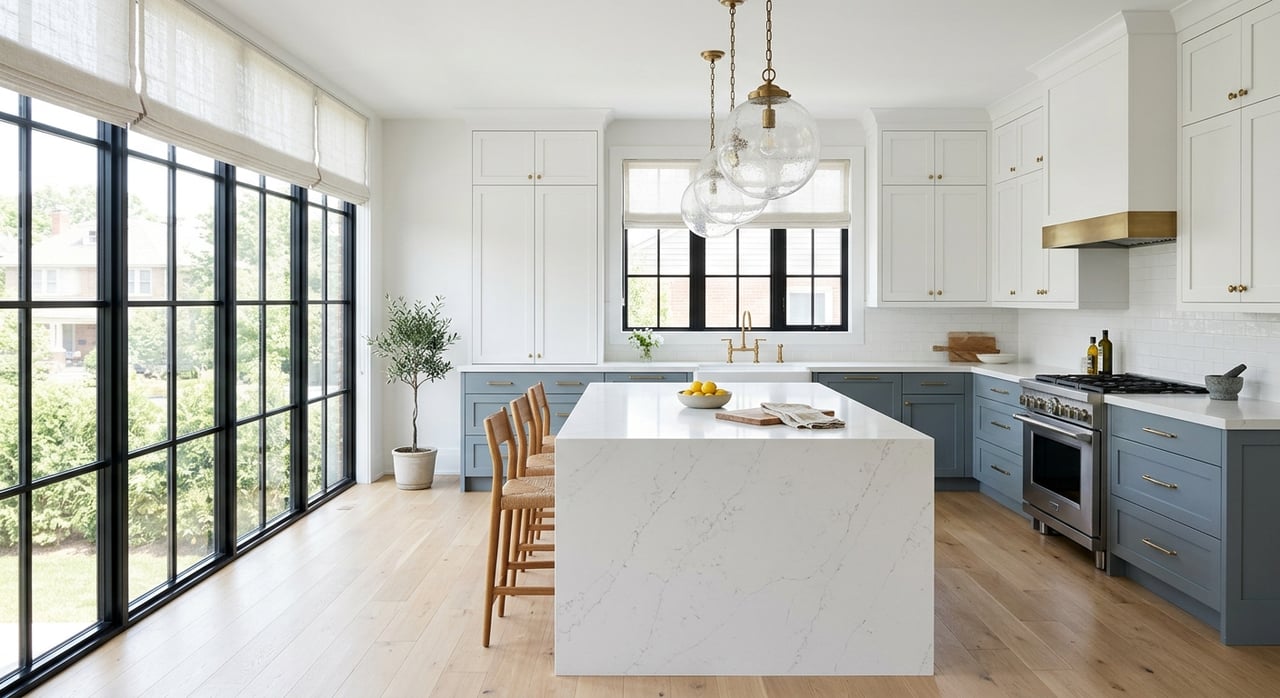
Choosing Between Park Slope Brownstones And New Condos
June 18, 2026
June 18, 2026
Trying to choose between a Park Slope brownstone and a new condo? You are not alone. In this part of Brooklyn, the decision often comes down to two very different ownership experiences, even when both options are just a few blocks apart. If you want to buy with more confidence, this guide will help you compare cost, upkeep, rules, and day-to-day lifestyle so you can decide what fits you best. Let’s dive in.
Park Slope is known for its historic brownstone streets, and that identity still shapes much of the neighborhood today. New York City Planning describes Park Slope as one of Brooklyn’s prized brownstone neighborhoods, with much of its housing stock built in the late 19th and early 20th centuries.
At the same time, newer condo development has become a bigger part of the local market, especially along Fourth Avenue and in South Slope. NYC Planning notes that Fourth Avenue can support taller apartment-house development than the interior brownstone blocks, which helps explain why many of the neighborhood’s newer condos are concentrated there.
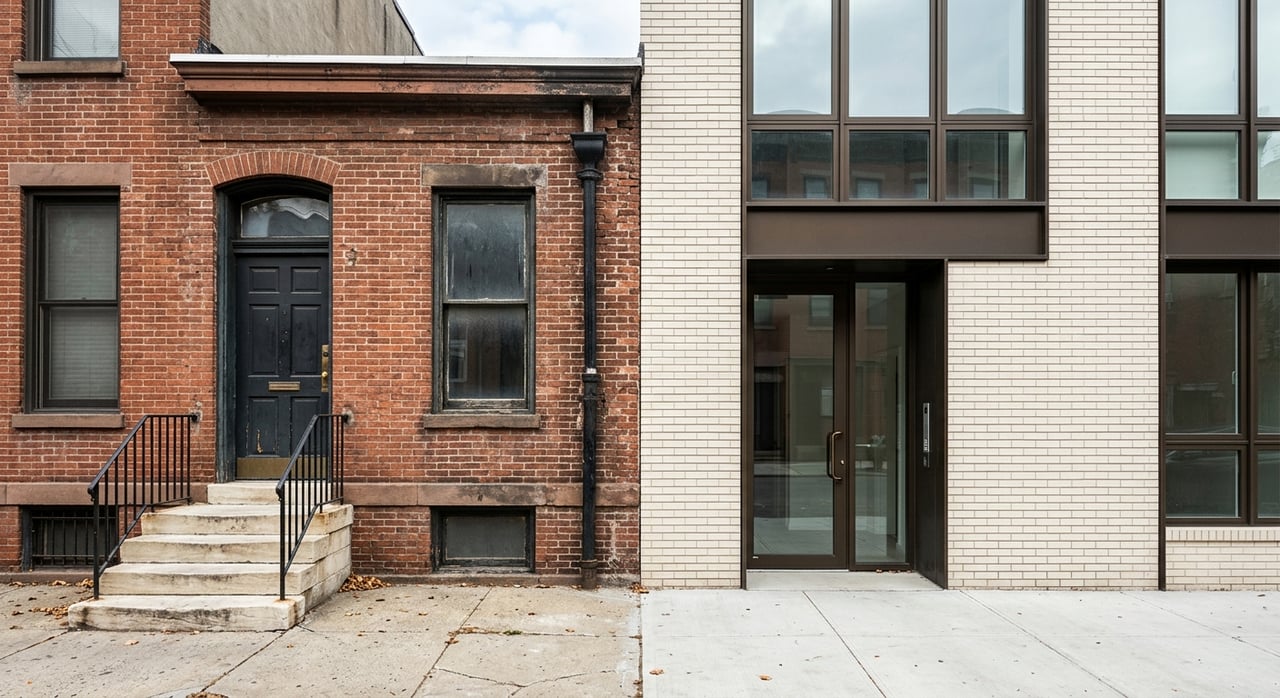
That split gives you a real choice. You can lean toward historic character and a classic Park Slope streetscape, or you can prioritize newer construction, modern systems, and a more streamlined ownership setup.
Before you focus on finishes or layout, it helps to understand what each option usually means in practice. In Park Slope, this is rarely just an old-versus-new decision.
| Option | Often Appeals To Buyers Who Want | Tradeoffs To Expect |
|---|---|---|
| Brownstone or prewar-style home | Historic character, classic blocks, strong sense of place | More upkeep, possible landmark rules, more repair planning |
| New condo | Newer systems, elevator access, modern amenities, simpler ownership structure | Less historic character, monthly common charges, building rules still apply |
StreetEasy reported that as of July 2024, condos made up 48% of available homes in Park Slope, while townhouses made up 12%. It also noted that the median asking sale in Park Slope was $1.6 million in August 2024, while brownstones can easily reach $3 million or more.
That pricing gap matters. If you are comparing these property types, you are often comparing not just style, but also a very different budget range.
The sticker price is only the starting point. In Park Slope, your monthly costs and future repair exposure can vary a lot depending on what you buy.
A brownstone-style purchase may give you more privacy and control, but it can also push more maintenance responsibility onto you. An older condo or a brownstone conversion may look manageable at first glance, yet the building’s financial health can have a major effect on your real monthly cost over time.
That is why a lower monthly number does not always mean a lower true cost of ownership. You want to look at the full picture, including repairs, reserves, taxes, and the chance of future assessments.
One of the biggest differences between ownership types in New York is how costs are organized. The structure affects how predictable your monthly payment feels and what questions you need to ask before you buy.
The NYC Comptroller explains that a condo buyer owns an individual real estate unit, while a co-op buyer owns shares in a corporation that owns the building. For many buyers comparing Park Slope options, that distinction matters because taxes and building expenses may show up differently from one property to another.
NYC Finance notes that co-op building property taxes are billed to the co-op board, which then allocates those taxes into maintenance or common charges. That means co-op owners do not receive the property-tax bill directly.
For condos, the ownership structure is different, so buyers often think more separately about common charges and taxes. If you are comparing a condo to a brownstone conversion or prewar apartment, make sure you are not just comparing monthly numbers on a listing sheet. Ask what is included and how stable those charges have been.
If you are leaning toward a brownstone, prewar apartment, or older conversion, the building paperwork matters almost as much as the apartment itself. A beautiful facade and a great layout do not tell you whether major repairs are around the corner.
The New York State Attorney General warns that existing apartment buildings always need repairs and maintenance. It specifically points to expensive issues such as facade defects, pointing, roof and elevator repairs, plumbing replacement, electrical upgrades, and boiler replacements.
That is why you should review:
These records often reveal upcoming costs before they show up as assessments or special charges. In a neighborhood with many older buildings, that can be one of the most important parts of your due diligence.
Some New York City co-ops and condos may qualify for a partial annual property-tax reduction through the co-op and condo tax abatement program. According to the NYC Comptroller, eligible developments can receive this benefit if they meet program requirements, and it is limited to primary residences.
The same report notes that the board or managing agent applies on behalf of the development. Some developments may also need to submit additional paperwork or opt out, depending on the building’s circumstances.
For you, the takeaway is simple: do not assume a tax benefit is automatic or permanent. Ask whether the property currently receives the abatement, whether it is reflected in the listed monthly costs, and whether the unit would qualify as your primary residence.
Lifestyle fit is not only about architecture. It is also about how much governance you are comfortable with after you move in.
The New York State Attorney General says co-op shareholders are both shareholders in and tenants of the corporation that owns the building. It also notes that the board, bylaws, proprietary lease, certificate of incorporation, and house rules all help govern day-to-day life.
Condos usually feel more flexible, but they are not rule-free. The Attorney General’s condo guidance says condo boards still follow declarations, bylaws, and house rules.
This matters if you value simplicity. If you want fewer layers between you and your unit, a newer condo may feel more straightforward. If you are open to more building oversight in exchange for a classic Park Slope setting, an older property may still be the better fit.
If there is any chance you may want to rent out the property later, make sure you understand the building documents before you buy. This can be a major point of difference between ownership types.
The Attorney General’s condo-board guide notes that condo sublet provisions generally have no restrictions. That does not mean every condo operates the same way, but it does suggest that condos can offer more flexibility on this front than buyers often find elsewhere.
If long-term flexibility matters to you, that question should come up early in your search. It is much better to confirm the rules now than to discover limits later.
If your dream is a classic Park Slope brownstone with exterior upgrades or a roof project, landmark rules need to be part of your planning. Many buyers focus on design ideas first and approvals second, but in Park Slope that order can create expensive surprises.
The Landmarks Preservation Commission says owners in a historic district must get advance approval for alterations, reconstruction, demolition, or new construction affecting a designated building. It also states that a Certificate of Appropriateness is required when work affects protected features such as additions, demolition, or the removal of stoops and cornices.
LPC says these applications are presented to the local community board and the Commission, and the process can take about three months. If your decision depends on changing the exterior, adding features, or significantly altering a landmarked property, factor that timeline into your plans.
Outdoor space can be a major selling point in Park Slope, whether that means a backyard, terrace, roof area, or cabana-style amenity. But you should confirm exactly what comes with the property and what rights you actually have.
The Attorney General warns that in new construction, amenities such as rooftop cabanas, recreational space, or parking are controlled by the offering plan, not marketing copy. For older conversions, buyers are advised to rely on engineer inspections and disclosure of known defects.
That means your practical checklist should include:
In other words, outdoor space is not just a lifestyle feature. It is also a document review issue.
Park Slope is often described as calm, residential, and centered around Prospect Park. StreetEasy characterizes the neighborhood as serene and laid-back, with wide, shady streets, while also noting that commuting times can vary and may reach about 45 minutes to Midtown depending on your exact location.
That daily context can help clarify your choice. A brownstone or prewar-style home may suit you if you care most about historic detail, tree-lined blocks, and a stronger sense of classic Park Slope. A newer condo may suit you better if you want modern systems, elevator access, and a simpler maintenance experience.
Neither option is universally better. The best choice depends on how you balance character, convenience, cost, and control.
If you are torn between these property types, use a simple filter. Focus on the issues that will still matter a year after closing.
Ask yourself:
Those answers usually make the right path clearer. In Park Slope, the best buy is often the one that matches your lifestyle as much as your budget.
If you are weighing brownstones against newer condos in Park Slope, a local, property-by-property strategy can save you time and help you avoid expensive surprises. For tailored guidance on buying in Brooklyn, connect with The Valvo Team.
Stay up to date on the latest real estate trends.

We pride ourselves in providing personalized solutions that bring our clients closer to their dream properties and enhance their long-term wealth.