Selling a Flatlands Home in Brooklyn’s Current Market
June 25, 2026
June 25, 2026
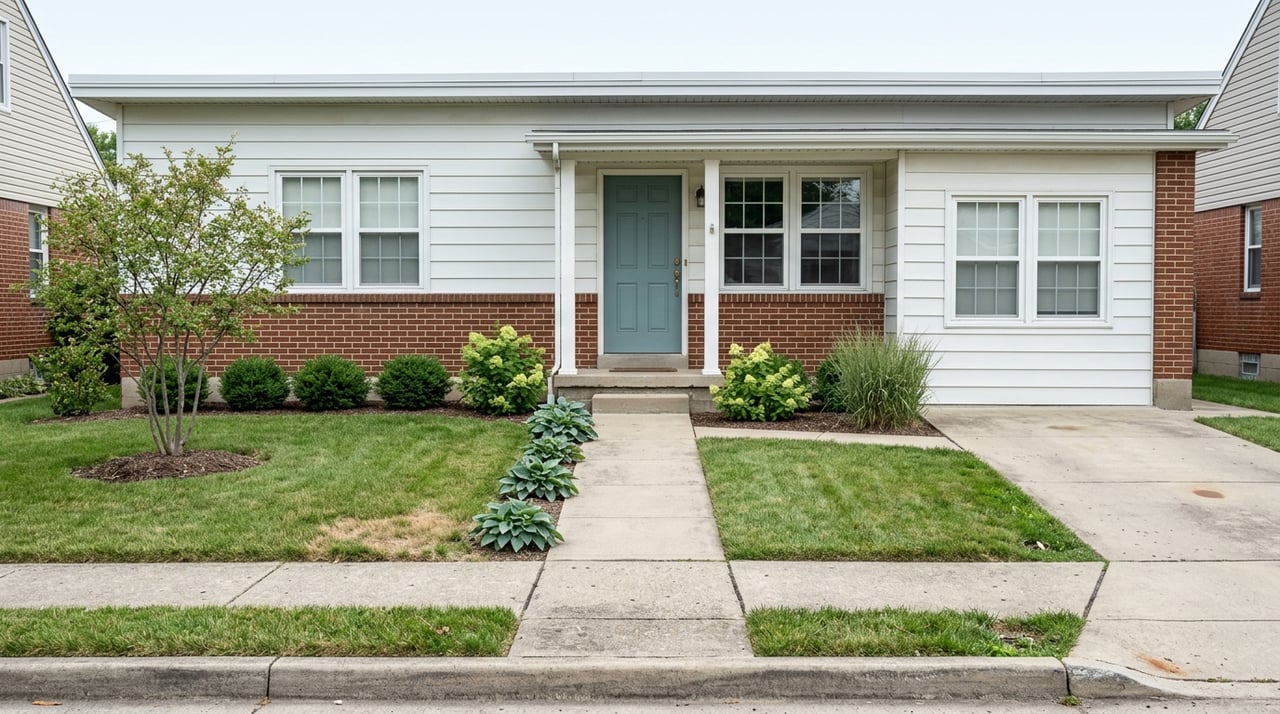
If you are thinking about selling in Flatlands, here is the reality: buyers are looking closely, negotiating firmly, and comparing your home against a lot of options. That can feel stressful, especially if you are trying to time your move and protect your price. The good news is that a smart plan can still put you in a strong position. Let’s break down what matters most when selling a Flatlands home in today’s Brooklyn market.
One of the biggest mistakes sellers make is relying too much on borough-wide headlines. Flatlands is not moving exactly like Brooklyn as a whole, and that matters when you are pricing and preparing your home.
In April 2026, Flatlands had 179 homes for sale, a median listing price of $698,000, and median days on market of 59 days. Brooklyn overall was pricier, with a median listing price of $849,000, and slightly faster at 53 days on market. That means Flatlands is operating as a lower-priced submarket where local conditions matter more than broad Brooklyn averages.
Realtor.com also labels Flatlands as a balanced market, while Brooklyn overall is described as a buyer's market. For you as a seller, that is a useful reminder that your competition is local. The homes buyers are comparing you against are often right in Flatlands or nearby, not across every Brooklyn neighborhood.
Pricing is the first big decision, and it shapes everything that follows. In a market where buyers still have room to negotiate, an ambitious launch price can work against you.
Flatlands homes sold for 4.31% below asking on average in March 2026, and the sale-to-list ratio sits around 96%. Those numbers suggest buyers are not simply accepting list price. They are negotiating, asking questions, and responding quickly when a home feels overpriced.
That is why a comp-based pricing strategy matters from day one. If you price too high and plan to adjust later, you may lose momentum during the most important window of your listing. A realistic launch price can help generate better interest early, reduce stale-listing risk, and support stronger negotiations.
A Flatlands pricing strategy should reflect what buyers actually value in this part of Brooklyn. A borough-wide number does not account for property type, parking, lot use, basement utility, or the area's more car-oriented feel.
For example, current inventory includes condos, townhouse-style options, renovated single-family homes, and multi-family properties. That means your home should be compared to similar local properties with similar use and features, not just to a broad Brooklyn median.
Flatlands has a housing pattern that helps explain buyer behavior. Brooklyn Community Board 18 describes the area as predominantly one- and two-family homes, with some mid-rise development and commercial corridors.
A local profile compiled from the 2023 ACS shows 54.79% owner-occupied housing and 70.39% family households. Car and bus are the top commute modes. In plain terms, many buyers here are focused on space, practicality, and everyday convenience.
That means your marketing should speak clearly to how the home lives. Buyers may care about room count, layout flexibility, parking, storage, and outdoor space more than they care about being close to a subway stop.
Several buyer profiles are relevant in this market:
If your home has a flexible layout, basement utility, or multi-family setup, that should be presented clearly. Those details can expand your buyer pool.
Flatlands is bus-accessible and more car-oriented than subway-first. According to NYC Planning, parts of the area sit about 1.5 miles from the closest subway station at Flatbush Avenue-Brooklyn College, and Community Board 18 notes the neighborhood historically lagged in growth because it lacked stronger transit connections.
That does not make Flatlands less marketable. It simply means your marketing should match the way buyers use the neighborhood.
Instead of leaning on a subway premium, your listing should emphasize practical access points and day-to-day convenience. When relevant, that can include:
When a home's strengths are framed the right way, buyers can see the value more clearly.
In this market, visible condition matters. Buyers have choices, and homes that feel neglected often invite lower offers or longer days on market.
The most important preparation steps are usually not dramatic renovations. They are the basics that improve first impressions and reduce buyer hesitation.
Before listing, pay close attention to:
A clean, cared-for home signals that the property has been maintained. A tired-looking home can make buyers assume bigger issues are waiting underneath.
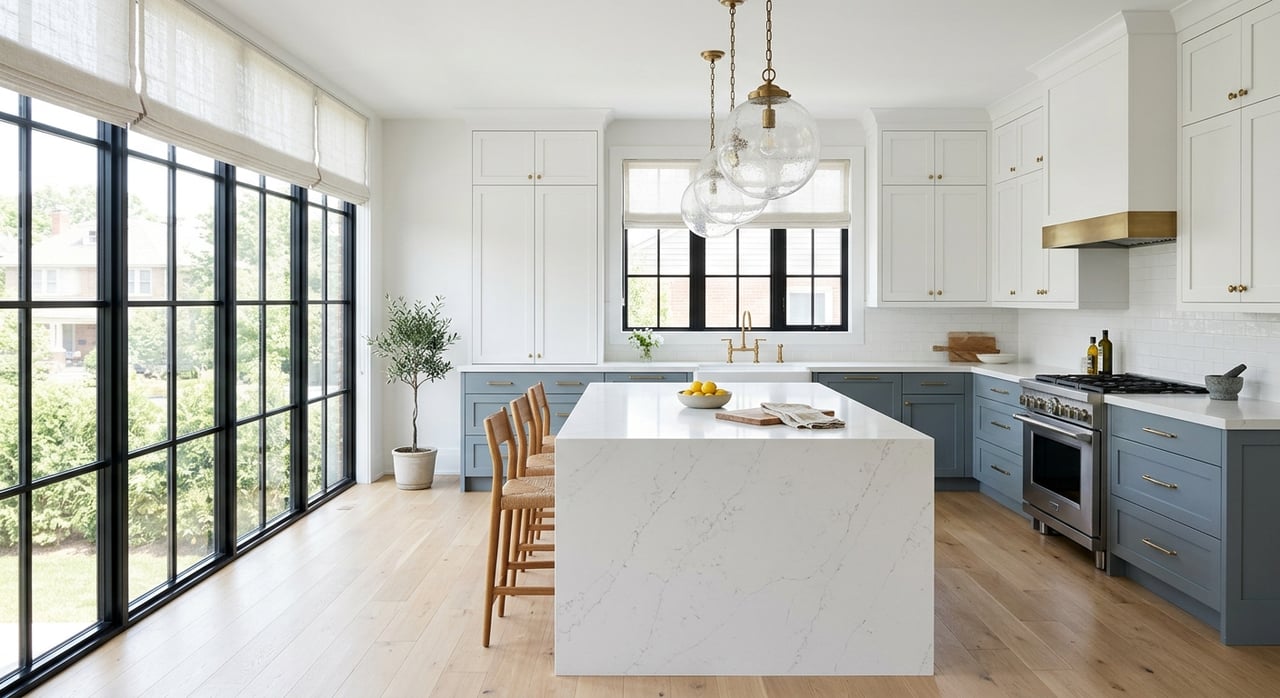
Current Flatlands listings show that buyers are paying attention to features like stylish kitchens, finished basements, brand-new roofs, detached two-family layouts, full basements, and multi-car driveways. If your home has any of these, make sure they are documented and presented well.
If your home does not have headline upgrades, focus on removing red flags. Fix what looks deferred, unfinished, or expensive to take on after closing. Even small improvements can change how buyers view the home's value.
Flatlands housing stock is relatively older, with Point2Homes reporting a median year built of 1947. Older homes can still show beautifully, but buyers are often more cautious about condition, maintenance, and future costs.
Before your home hits the market, gather service records and key property details if you have them. That can help you answer common questions more confidently and keep negotiations from getting derailed.
Try to prepare information about:
This does not just help with transparency. It can also make your home feel better cared for, which supports buyer confidence.
Sellers often ask how fast a home will move. In Flatlands, the current snapshot points to about 59 days on market, with some portal readings running longer.
That means you should plan for a realistic timeline rather than expecting an immediate sale. A successful listing is not only about getting live quickly. It is about launching with the right price, strong presentation, and a marketing plan that gives buyers a clear reason to act.
A strong Flatlands listing strategy should focus on three things:
This is where high-quality marketing can make a difference. Professional photography, video walkthroughs, and wide listing distribution can help your home stand out, especially when buyers are comparing multiple homes online before they ever schedule a showing.
Flatlands sellers are not in a bad market. They are in a market that rewards preparation, realistic pricing, and clear positioning.
If your home is priced well, shows well, and speaks directly to what Flatlands buyers want, you can still create a strong result. The key is to meet the market as it is, not as you hope it will be.
That is where local judgment matters. A neighborhood-first strategy can help you avoid generic Brooklyn advice and make better decisions based on how Flatlands buyers actually shop, compare, and negotiate.
If you are getting ready to sell and want a pricing strategy built around your block, your property type, and today’s buyer expectations, request a free home valuation from The Valvo Team.
Stay up to date on the latest real estate trends.

We pride ourselves in providing personalized solutions that bring our clients closer to their dream properties and enhance their long-term wealth.