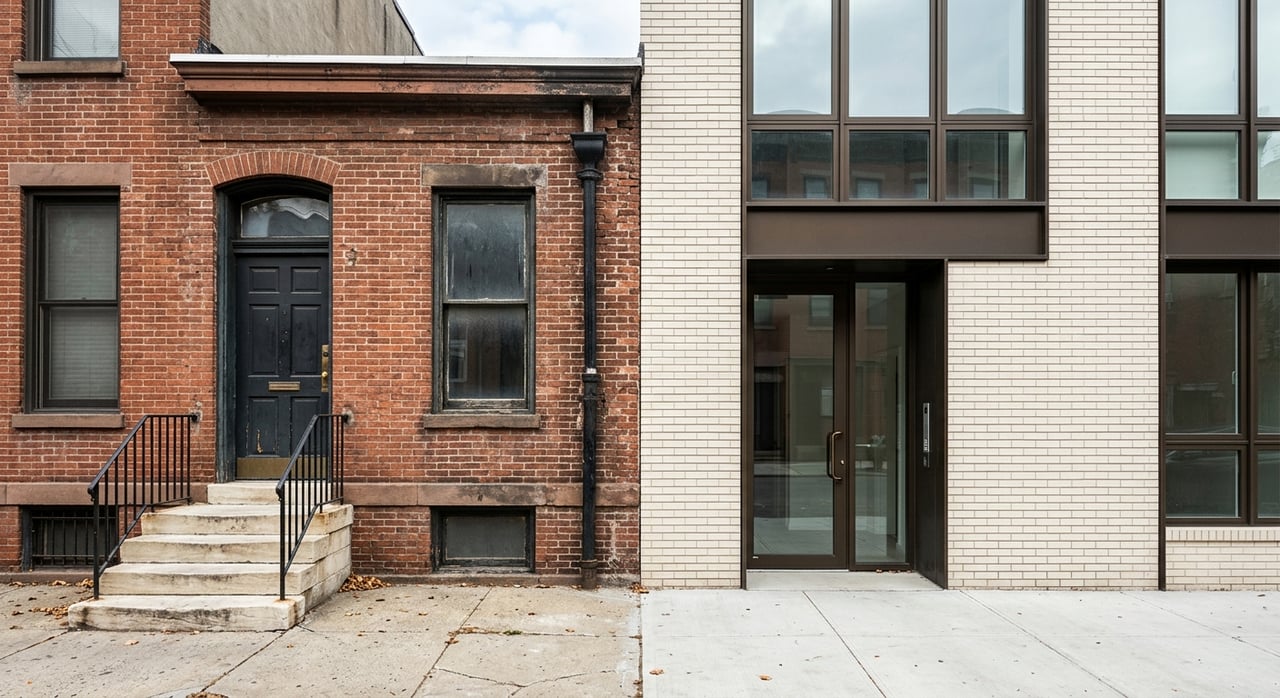
Prospect Heights Brownstone Vs Condo: How To Decide
June 11, 2026
June 11, 2026
Trying to choose between a Prospect Heights brownstone and a condo? You are not alone. In this Brooklyn neighborhood, both options can be appealing, expensive, and very different in how they shape your day-to-day life. If you are weighing charm against convenience, or control against simplicity, this guide will help you sort through the tradeoffs that matter most. Let’s dive in.
Prospect Heights is not a one-size-fits-all condo market. The neighborhood includes a large historic housing stock, and the Prospect Heights Historic District contains 850 buildings built mostly between the mid-1800s and early 1900s.
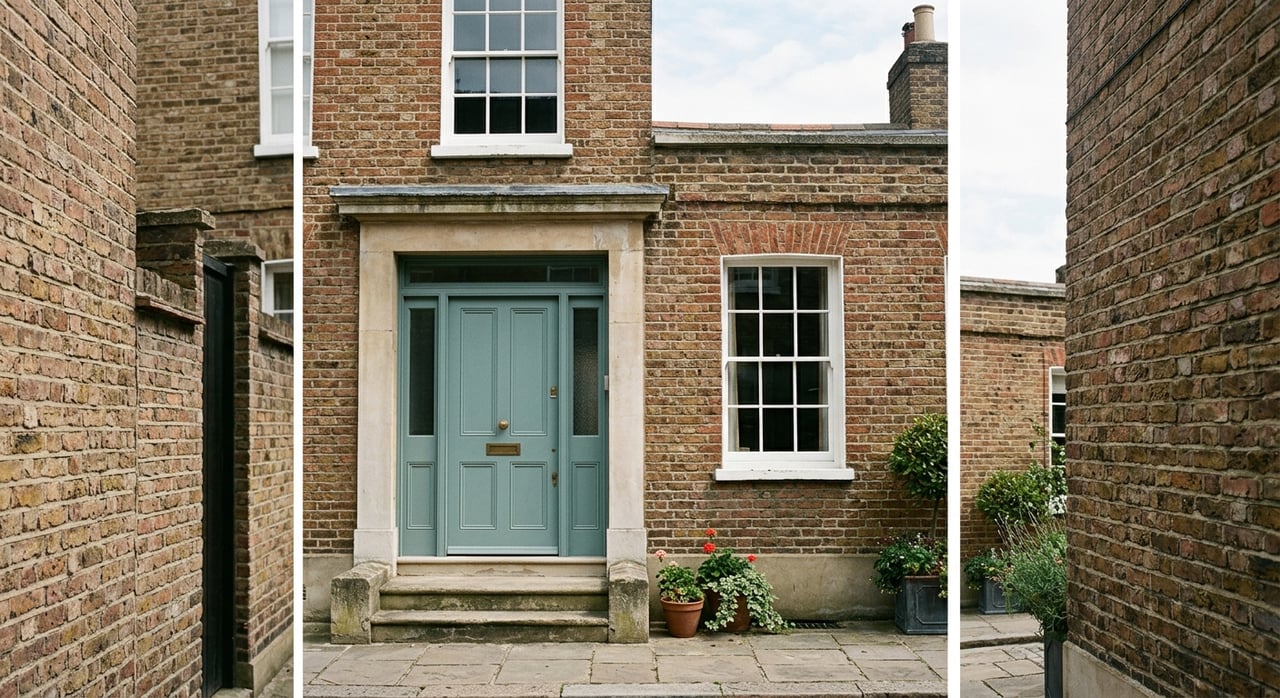
That history shows up on the block. You will see classic row houses, apartment buildings, and architecture tied to styles like Italianate, neo-Grec, Romanesque Revival, and Renaissance Revival. In practical terms, that means a brownstone here is often part of the neighborhood’s core identity, while a condo may offer a more modern ownership setup within the same broader area.
Price alone may not make the decision easier. As of 2026, local market snapshots showed median sale prices around $1.5 million in Prospect Heights, with median condo pricing also at $1.5 million and median co-op pricing at $1.7 million. So if you are assuming a condo is always pricier or that another property type is always the value play, Prospect Heights may surprise you.
If you buy a brownstone or townhouse, you are generally buying the building itself and the land interest tied to it. In New York City, most one-, two-, and three-family homes fall into Tax Class 1.
That usually means more direct control over the property. It also means more direct responsibility for the building’s condition, systems, repairs, and exterior upkeep.
A condominium is a separate real estate unit that you own individually, along with an undivided interest in the common elements. That is different from owning an entire building.
In everyday terms, you own your unit, but major shared systems and common spaces are managed at the building level. Most condos in New York City fall into Tax Class 2, which creates a different tax and building-management framework than a brownstone purchase.
A brownstone is often a better fit if you want more space flexibility and more say over how the property functions. You may value having multiple floors, more privacy, storage, or room to adapt the home over time.
That extra control can be a major advantage, especially if character and layout matter to you. In Prospect Heights, where historic housing stock is a defining feature, that appeal is real.
A condo is often a better fit if you want a more standardized ownership experience. Many buyers like having shared responsibility for major building systems instead of carrying every issue on their own.
That can make ownership feel simpler, but it is not hands-off. You still need to understand the building’s finances, insurance setup, and any potential assessments before you buy.
When you buy a brownstone, you should closely review the condition of the facade, roof, windows, plumbing, electrical systems, flooring, and other building components. Those issues are more directly tied to your own property and budget.
If something needs work, there is usually no broader building budget to absorb the cost. That gives you freedom, but it also puts more of the repair and planning burden on you.
With a condo, many building-level tasks are handled through common charges and management. That can reduce how much you personally manage from month to month.
Still, lower effort does not always mean lower risk. If reserves are weak or maintenance has been deferred, you could face future costs through assessments or increased monthly charges.
This is a big issue that can tip the decision. In a landmarked part of Prospect Heights, the Landmarks Preservation Commission must approve most alterations, reconstructions, demolitions, or new construction affecting a designated structure.
For brownstone buyers, that means exterior changes may involve review and added planning. Ordinary exterior repairs may be exempt, but larger visible work often is not.
That does not mean a brownstone is the wrong choice. It simply means that if you love historic character, you should also be comfortable with the rules that help preserve it.
For a brownstone or townhouse, the comparison is usually closer to buying a one- to three-family home. The underwriting process reflects that kind of asset.
That can be appealing if you want straightforward ownership of a full property. But because you are buying the building itself, lenders and inspectors will focus closely on condition, systems, and overall property risk.
Condo financing is often easier to compare across lenders and buildings than financing for some other shared-interest properties. Even so, lenders still review project standards such as budgets, financial statements, and reserve information.
If you plan to use FHA financing, project eligibility rules may also come into play. That is why it is smart to confirm early whether your loan type works with the condo and the building.
A condo can look easier on paper until you factor in common charges, insurance needs, and any future assessments. Monthly condo or co-op fees are usually separate from your mortgage payment and can range from a few hundred dollars to more than $1,000 a month.
That means your real carrying cost may be higher than the listing price suggests. You should break the full monthly number into mortgage, taxes, insurance, and common charges so you know what ownership will really feel like.
With a brownstone, the monthly picture is different. You may avoid common charges, but you take on more direct responsibility for repairs, maintenance planning, and insurance tied to the property itself.
This is one area many buyers overlook. In New York City, mortgage recording tax applies when mortgages for real property are recorded.
That matters because a brownstone or condo mortgage generally involves mortgage recording tax and other real-property closing steps. New York State also imposes a 1% mansion tax on residential conveyances of $1 million or more, which is highly relevant in Prospect Heights.
These costs can affect your budget in a big way. If you are comparing a brownstone and a condo at similar price points, make sure you account for closing-cost mechanics before deciding which one feels more affordable.
If you are stuck, start with the questions below.
No matter which direction you are leaning, do your homework on the details that can affect both cost and stress.
In Prospect Heights, this decision is less about which property type is better and more about which tradeoffs fit your priorities. A brownstone often gives you more character, space flexibility, and control, but it also brings more maintenance responsibility and possible landmark-related review. A condo can offer a more predictable ownership structure and shared building management, but you still need to vet the finances and understand the true monthly cost.
If you want help comparing property types in Prospect Heights or making sense of the numbers behind a specific listing, The Valvo Team can help you evaluate your options with a practical, neighborhood-focused approach.
Stay up to date on the latest real estate trends.


We pride ourselves in providing personalized solutions that bring our clients closer to their dream properties and enhance their long-term wealth.