Buying A Home In Canarsie For Suburban-Style Living
July 16, 2026
July 16, 2026
Wondering where you can find a Brooklyn address with more of a house-centered feel? If you want more space, a driveway or garage, and a neighborhood shaped by low-rise homes instead of tall buildings, Canarsie deserves a closer look. For many buyers, it offers a practical path to suburban-style living while keeping you in Brooklyn. Let’s dive in.
Canarsie sits in southeastern Brooklyn along Jamaica Bay, and its layout gives it a very different feel from denser parts of the borough. Local planning sources describe it as a mostly residential neighborhood where the waterfront and park system play a major role in daily life.
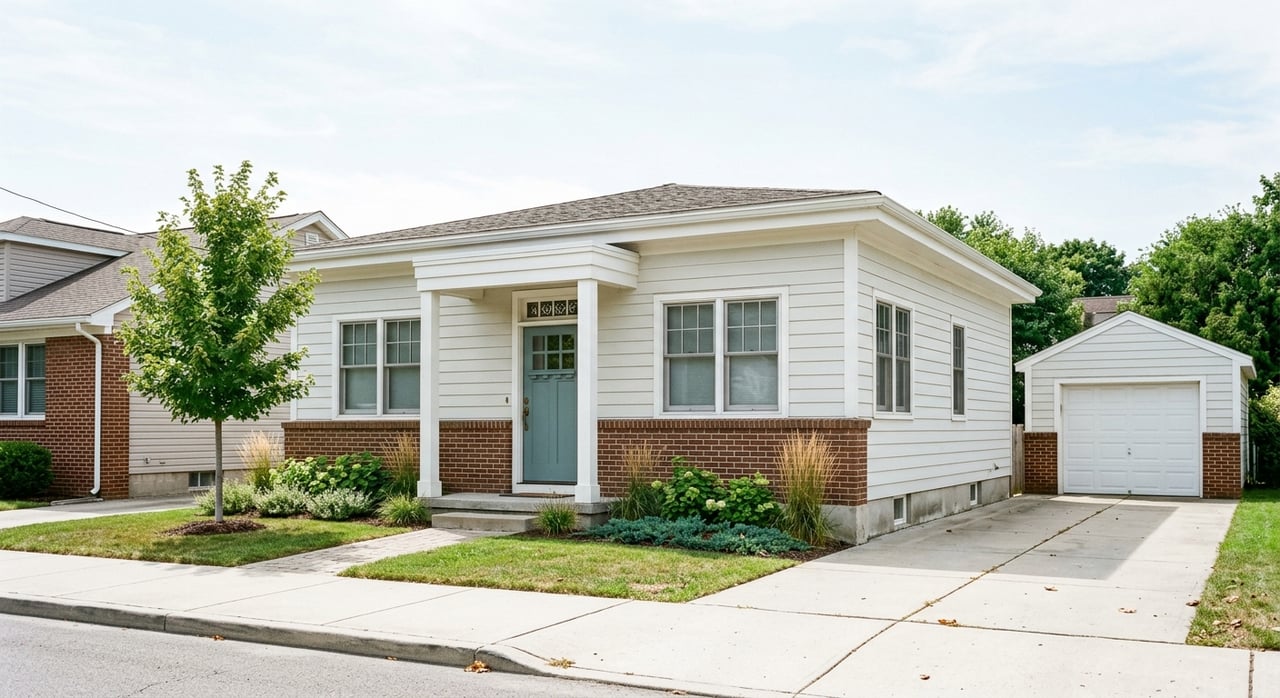
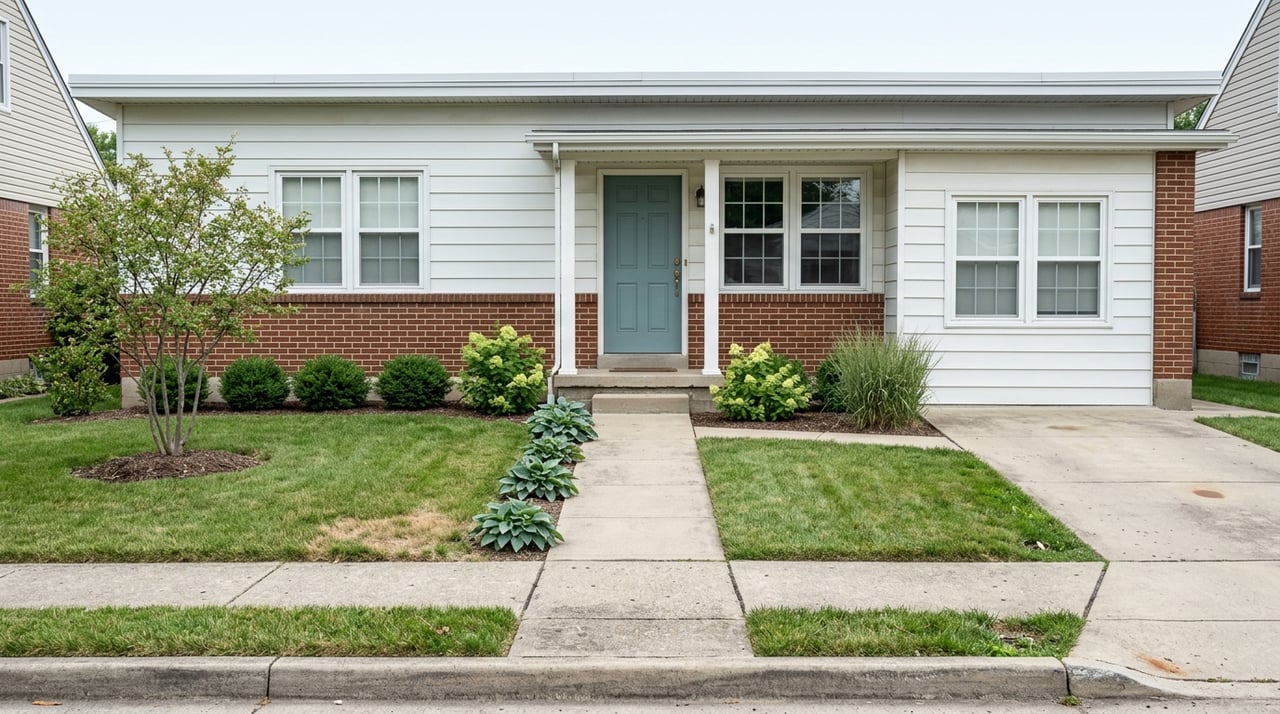
What makes Canarsie stand out is its housing pattern. Instead of being dominated by towers, it includes many attached, semi-detached, and detached one- to three-story homes, especially in lower-rise sections south of Avenue L and around Rockaway Parkway and Fresh Creek. That built form is a big reason buyers often describe it as having a more suburban feel.
In Canarsie, suburban-style living usually means more house options, more lot width in some sections, and features that can be harder to find in more central Brooklyn neighborhoods. City planning reports note that detached and semi-detached homes in some parts of the neighborhood often sit on lots roughly 20 to 50 feet wide and about 100 feet deep.
Many older homes were also built with garages. Some properties include basements that were historically used as dens or rental space, which makes it especially important to confirm how that space is legally classified before you buy.
You may also notice that retail is arranged more along neighborhood corridors than around a dense downtown core. Avenue L and other commercial streets serve daily needs, while the broader neighborhood remains largely residential.
If you start your search in Canarsie, you will likely compare several property types:
That mix gives buyers flexibility. If your priority is a classic house setup, Canarsie offers more of those opportunities than many transit-heavy, apartment-dense neighborhoods.
For some buyers, a one-family home is the main goal. For others, a two-family property may offer extra flexibility in how they use the space. Either way, it is important to verify whether a home is legally configured as a one-, two-, or three-family property.
Price is one of the biggest reasons buyers consider Canarsie. Recent market snapshots show a neighborhood where house-oriented inventory can still come in below many better-known central Brooklyn areas.
Redfin reported a median sale price of $734,982 for the three months ending May 2026, with a median 97 days on market. Zillow reported a typical home value of $685,841 and a median list price of $716,667 in late May 2026.
Current asking prices vary by property type and size. Recent examples suggest listings can range from about $199,999 for a small condo to about $1.775 million for larger multi-family properties, with many houses appearing in the high-$600,000s to high-$700,000s and many two-family homes around $995,000 to $1.3 million.
For buyers focused on value, Canarsie often enters the conversation because it compares favorably with more central Brooklyn neighborhoods. Recent Redfin median sale prices were reported at $1,596,963 in Bedford-Stuyvesant, $1,349,546 in Crown Heights, $894,699 in Flatbush, and $1,861,874 in Park Slope.
That price gap matters if you are trying to buy more square footage, search for a detached home, or prioritize parking. In practical terms, Canarsie can give you a better shot at house-style living in Brooklyn without stepping into the pricing seen in many other neighborhoods.
Canarsie works best when you understand the commute setup from day one. Transit is centered on the L train, which the MTA says runs between 8 Av/14 St in Manhattan and Rockaway Pkwy/Canarsie at all times.
Because the neighborhood has only one subway line, bus connections are a key part of daily travel. Common routes for local riders include the B42 between Canarsie Pier and Rockaway Parkway station, the B17 toward Crown Heights, the B103 limited route to Downtown Brooklyn, and the B6, which serves parts of the area and connects toward East New York and New Lots.
That does not mean Canarsie is inconvenient. It means you should be realistic. If you are comfortable with a bus-plus-subway routine, the neighborhood can work well. If you want several train lines within a short walk, you may need to adjust your expectations.
One of Canarsie’s strongest lifestyle advantages is access to open space. This is not a neighborhood where outdoor appeal is an afterthought. The waterfront and park network are central to its identity.
Canarsie Pier offers water access, a canoe and kayak launch, a dock and pier, parking, picnic tables, a playground, and restrooms. It is used for fishing, paddling, picnics, and community events, which adds a layer of everyday recreation that many buyers do not expect when they first think about Brooklyn.
Canarsie Park is also a major local asset. NYC Parks lists it at 132.2 acres, including 51.5 acres of natural areas and 563 mapped trees, along with a half-mile blue-loop trail around the wetland area.
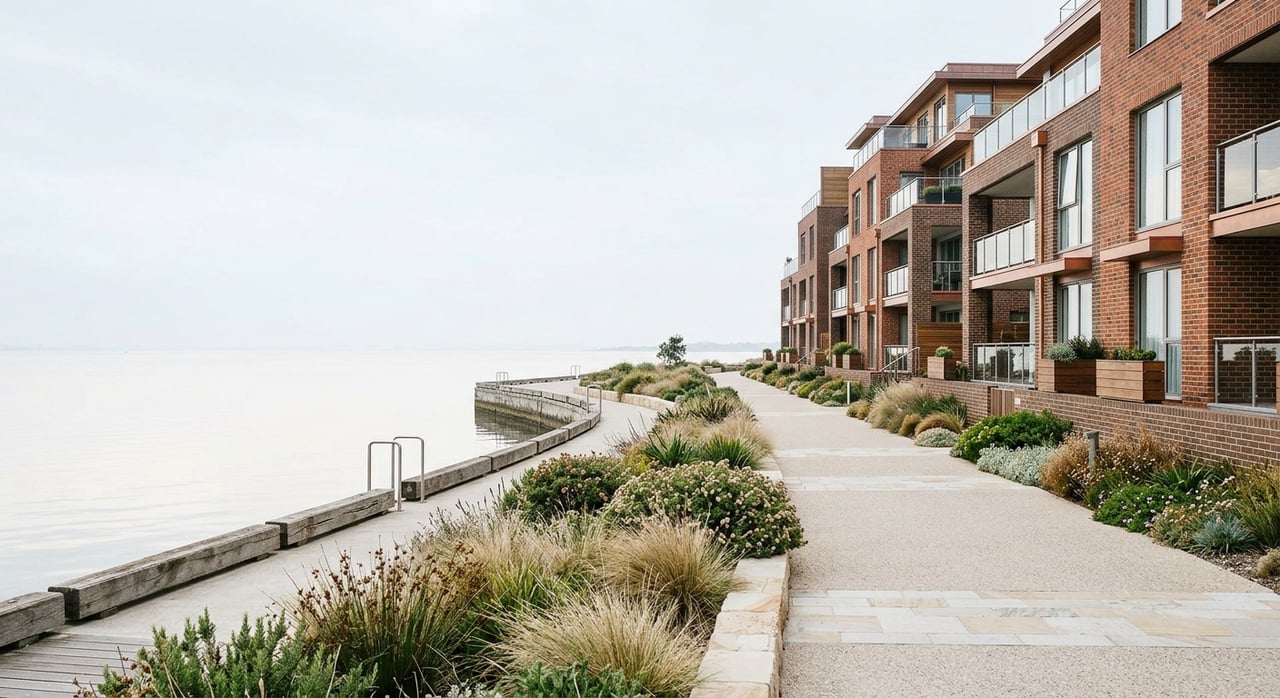
The broader landscape around Jamaica Bay, Paerdegat Basin, and Fresh Creek also shapes the neighborhood experience. Here, the waterfront is less about a busy promenade and more about open space, wildlife, and breathing room.
Canarsie can be a smart buy, but this is a neighborhood where details matter. A suburban-style setup often comes with extra property-specific questions, especially if you are looking at older homes with garages, basements, or larger lots.
One of the biggest issues to check is flood exposure. City planning reports say that roughly two-thirds of Canarsie was in the FEMA floodplain under the then-current maps, and flood insurance is required for federally regulated mortgages in the 1% annual chance floodplain. That is why you should verify the exact property, not just assume based on the neighborhood name.
The same planning report also notes drainage-related ponding in some areas, along with sloping front yards and garage or basement configurations that can affect retrofit options. In other words, the layout that makes a home appealing can also create questions you need answered before closing.
When you tour homes in Canarsie, keep this checklist in mind:
These questions can help you compare homes more clearly. They also reduce the chance of surprises after contract.
Canarsie can make sense for several kinds of buyers. If you are moving out of a smaller apartment and want more room, the neighborhood’s low-rise housing stock may feel like a meaningful step up.
It can also appeal to buyers who want features such as a garage, driveway, or more interior flexibility. And if you are comparing house prices across Brooklyn, Canarsie may offer a more realistic entry point than neighborhoods where median prices are much higher.
The best fit is often a buyer who values space and a residential setting and is comfortable with a commute that may rely on both buses and the L train. If that sounds like you, Canarsie is worth serious consideration.
If your version of Brooklyn living includes a house-centered block, more outdoor access, and a better chance at parking or extra square footage, Canarsie can be a compelling option. Its mix of detached, semi-detached, and attached homes, plus its waterfront setting and pricing relative to central Brooklyn, gives it a distinct place in the market.
The key is to shop with clear eyes. Understand the transit setup, compare property types carefully, and do thorough due diligence on flood-zone status, basement legality, and garage or driveway utility. With the right guidance, you can find a home here that matches both your budget and your lifestyle.
If you’re thinking about buying in Canarsie and want local, practical advice on how to evaluate homes, connect with The Valvo Team.
Stay up to date on the latest real estate trends.

We pride ourselves in providing personalized solutions that bring our clients closer to their dream properties and enhance their long-term wealth.