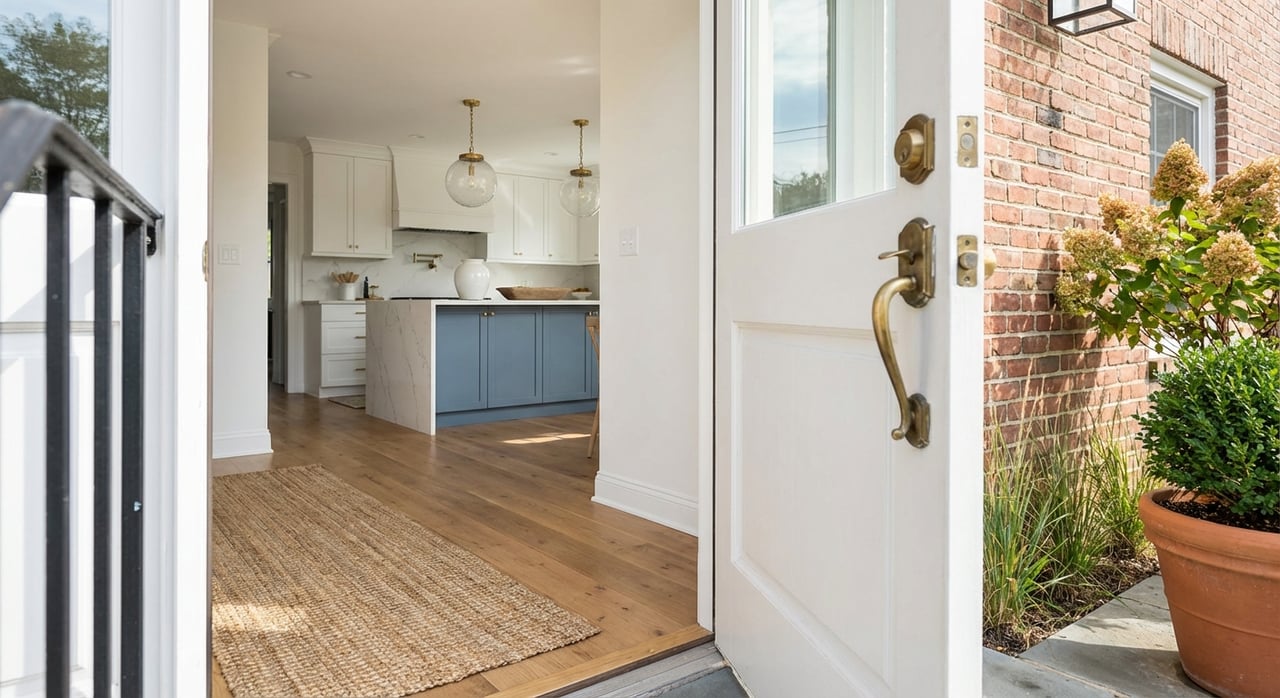
Preparing To Sell Your Marine Park Home With Confidence
February 19, 2026
February 19, 2026
Thinking about selling your Marine Park home this year? You want a clear plan that protects your time and equity. With the right prep, pricing, and marketing, you can attract qualified buyers and move smoothly from listing to closing. This guide gives you a local market snapshot, a step-by-step prep checklist, smart pricing tips for single- and two-family homes, and the key legal items New York sellers need to know. Let’s dive in.
Recent neighborhood signals put typical Marine Park home values roughly in the 780,000 to 880,000 dollar range, depending on the data service and time window. Days on market often land around 56 to 67 days, with active listings typically in the dozens. Price per square foot varies by home type, often in the 600 to 686 dollars per square foot range.
Why the spread? Some sources report asking prices and others report closed prices, and each uses different date ranges. Treat these as guideposts. When you are ready to list, a fresh Comparative Market Analysis from the local MLS is the best way to set a winning price.
Marine Park is known for prewar single- and two-family brick houses, Tudor and Colonial rowhomes, and a few low-rise co-ops near main corridors. Many homes have small yards, driveways or garages, and easy access to Marine Park’s green space. Buyers often prioritize usable outdoor space, off-street parking, updated kitchens and baths, reliable mechanicals, and a dry, functional basement. Two-family homes draw both owner-occupants and small investors, which can expand your buyer pool and influence pricing. For helpful neighborhood purchase context, review this overview of Marine Park housing types and price bands from Brick Underground.
Start with safety and systems. Address outdated or compromised electrical, roof issues, heating or boiler problems, and active plumbing leaks. These items can delay appraisals, reduce buyer confidence, or derail financing. Prioritize them before any cosmetic work.
Marine Park buyers watch for water risk. If you have signs of moisture, standing water, or efflorescence, correct the cause and document the fix. A dry basement with clear records makes inspections easier and reduces the chance of last-minute credits.
If your HVAC or water heater is at or past typical useful life, consider replacing or servicing and saving the receipts. Provide maintenance histories where you can. Clear documentation signals a well-cared-for home.
Once the big items are handled, invest where buyers see value:
A seller-paid pre-list inspection can help you anticipate buyer concerns and decide what to fix versus credit. It often speeds escrow and lowers renegotiation risk. Learn more about what to expect from a home inspection and common specialty checks like mold or radon in this overview of inspection categories from a regional inspection resource: how pre-list inspections help sellers.
Professional photos, clear floorplans, and a short video or 3D tour increase online views and in-person showings. Industry research highlights staging and visuals as top features that boost buyer interest when homes linger longer. See the National Association of REALTORS research on why staging and quality photos are paramount, and additional statistics on visual marketing ROI in this roundup of real estate photography results.
For Marine Park specifically, showcase your yard, driveway or garage, and any proximity or views toward Marine Park’s green space. Twilight or drone shots can help homes on larger lots or near the park stand out.
A strong Comparative Market Analysis looks at 3 to 7 recently sold comps from the past 30 to 90 days within a tight radius, plus active and pending listings to gauge direction. Your agent should adjust for bedrooms, bathrooms, lot size and depth, finished basements, garages, condition and upgrades. For a quick explainer on how agents structure CMAs, see this CMA overview.
Single-family pricing in Marine Park is typically driven by the sales comparison approach. Two-family homes often have two buyer audiences. Owner-occupants still look to comps, while investors also weigh income. A simple investor lens uses a Gross Rent Multiplier, which is sale price divided by annual gross rent, or a basic cash flow or cap-rate approach. If your home is a two-family, gather leases, rent roll, and utility details early. For more on valuation methods, review this plain-language guide to income-based valuation.
Ask for:
A clear comp package helps you price with confidence and plan your strategy if the market shifts during your listing period.
Spring often brings more buyer traffic, especially for family moves tied to the school calendar. That said, well-prepped listings sell year-round. Focus on condition, price, and polished marketing. A mid-week launch followed by strong weekend activity can help you front-load interest.
New York requires sellers of one- to four-family homes to provide a Property Condition Disclosure Statement to buyers before a binding contract. The 500 dollar opt-out was removed on March 20, 2024, and the revised PCDS form became required July 1, 2025. Review the official form and instructions here: New York PCDS.
If your home was built before 1978, federal law requires you to disclose known lead information, provide the EPA and HUD pamphlet, and allow buyers a 10-day window to test unless they waive it. Learn the rules here: EPA lead disclosure guidance.
Parts of south Brooklyn near Jamaica Bay have flood exposure. The PCDS asks about FEMA floodplains, prior flood claims, and elevation certificates, and you should disclose flood insurance status. Local reporting highlights ongoing resiliency work and programs in south Brooklyn. Get context here: south Brooklyn flood program coverage, and review the PCDS flood questions in the official form.
Two-family homes are not automatically rent-stabilized. Coverage depends on specific criteria, often 6 or more units built before 1974 or special designations. If units are occupied, gather leases, rent roll, and any registration or rider documentation. For coverage details, see the NYS DHCR guidance.
New York State and New York City impose transfer taxes, which are typically paid by the seller, with some buyer-side exceptions at higher tiers. Sellers should budget for transfer taxes, commission, and attorney fees when estimating net proceeds. For forms and rates, visit the NYS transfer tax page. In the NYC metro, total commission is commonly in the mid single digits, though it is negotiable and can vary by listing system.
If you want a clear, local plan that fits Marine Park’s market, we are ready to help. The Valvo Team pairs deep neighborhood roots with polished marketing that showcases what buyers here value most, from yards and driveways to updated interiors. Get a data-backed valuation, a tailored prep list, and a go-to-market plan that puts your home in front of the right buyers.
Ready to see what your home could sell for today? Request a free home valuation from The Valvo Team.
Stay up to date on the latest real estate trends.





We pride ourselves in providing personalized solutions that bring our clients closer to their dream properties and enhance their long-term wealth.