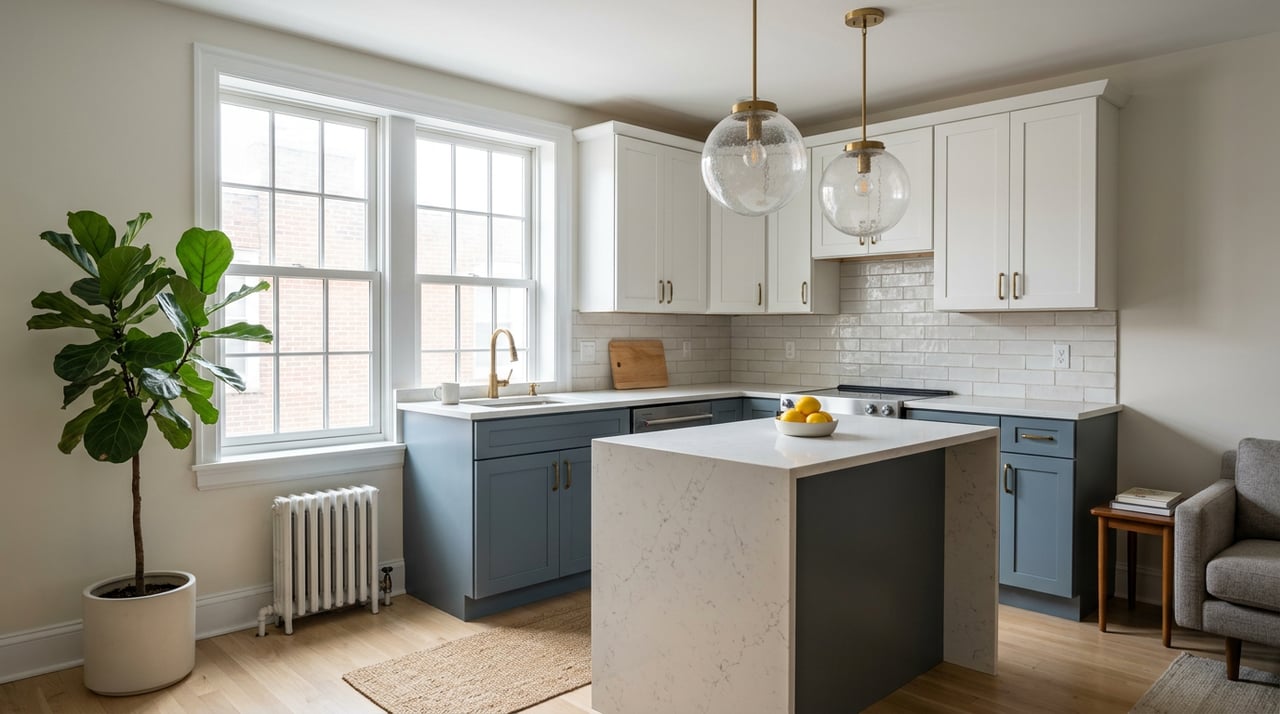
Flatbush First-Time Homebuyer Roadmap to Ownership
March 24, 2026
March 24, 2026
Buying your first place in Flatbush can feel big, but it doesn’t have to be confusing. You want space, value, and a neighborhood that feels alive. Flatbush delivers all three with diverse housing options, easy subway access, and a strong cultural heartbeat. In this guide, you’ll get a clear, local step-by-step plan to buy a co-op, condo, or small house in Flatbush, plus what it costs and how long it takes. Let’s dive in.
Flatbush sits in central Brooklyn near Prospect Park and Brooklyn College, with a vibrant Caribbean presence often called “Little Caribbean.” If you want community energy, food, and music, the area’s cultural scene is a major draw. You can learn more about the district’s roots through the overview of Little Caribbean in Brooklyn.
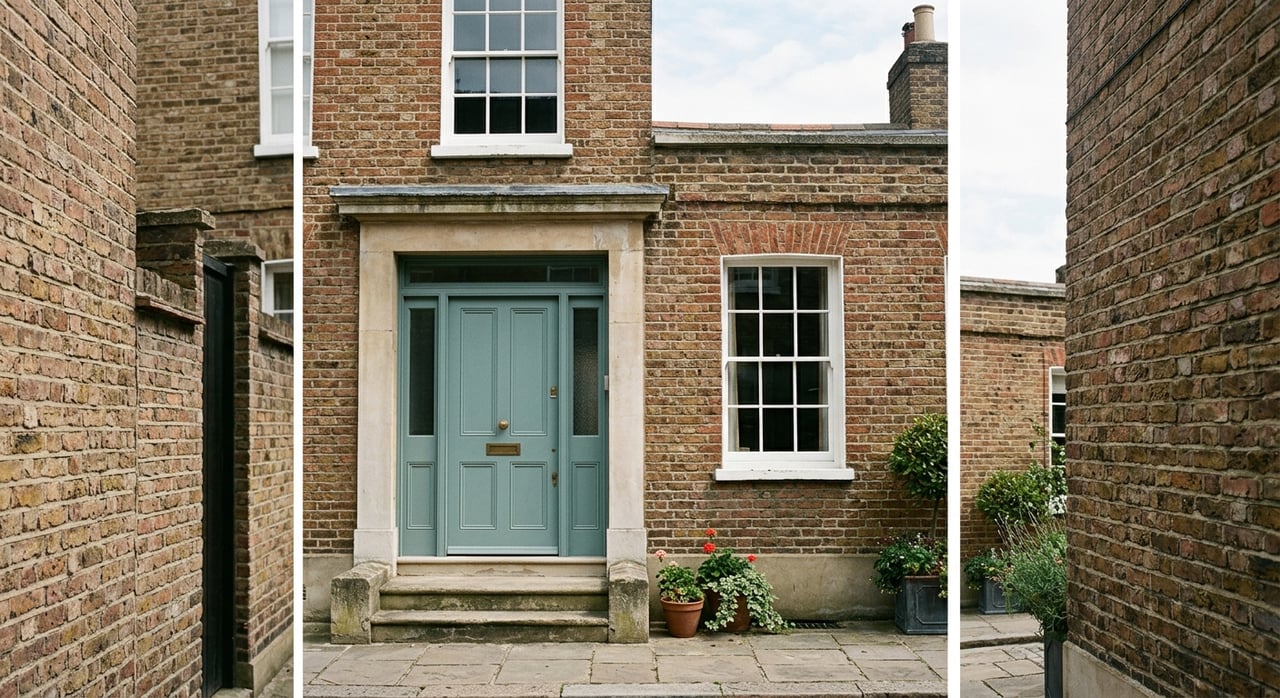
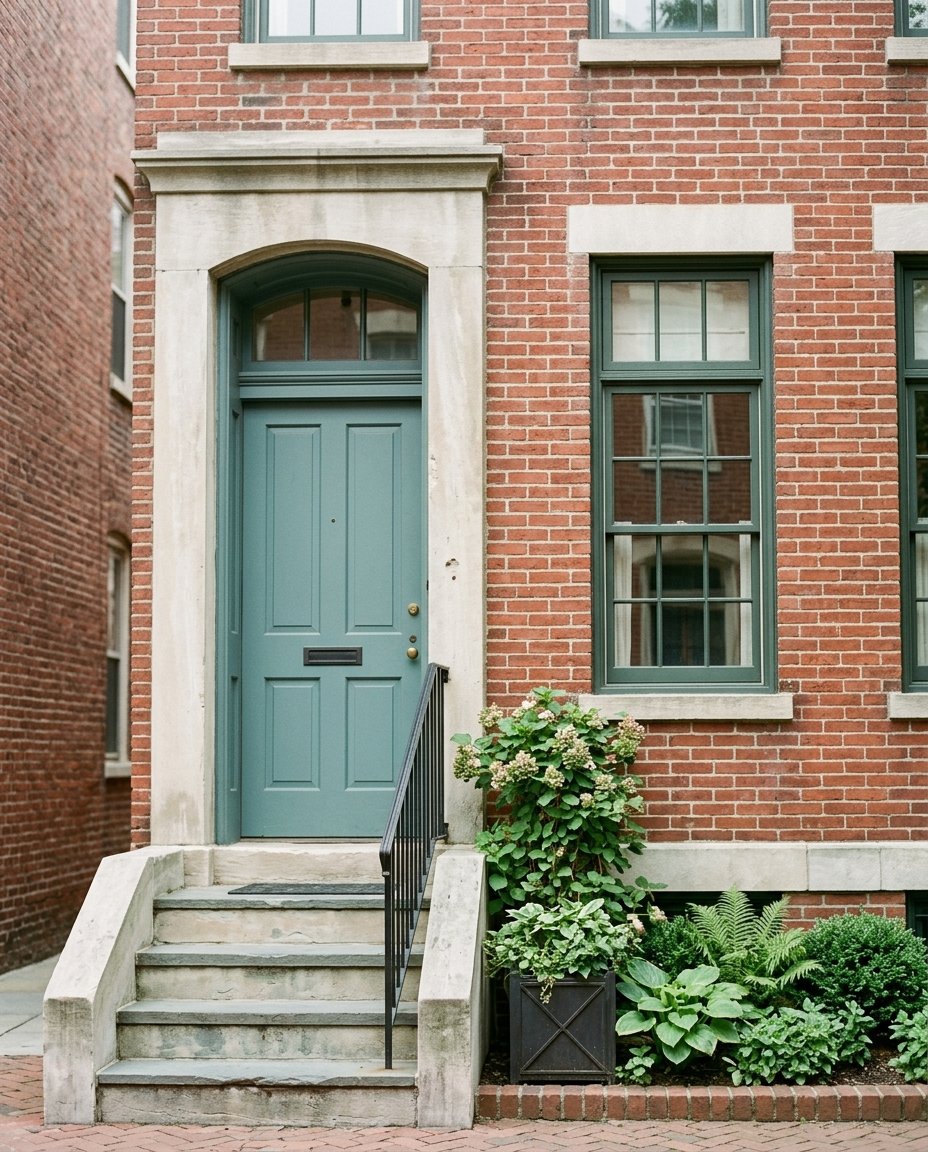
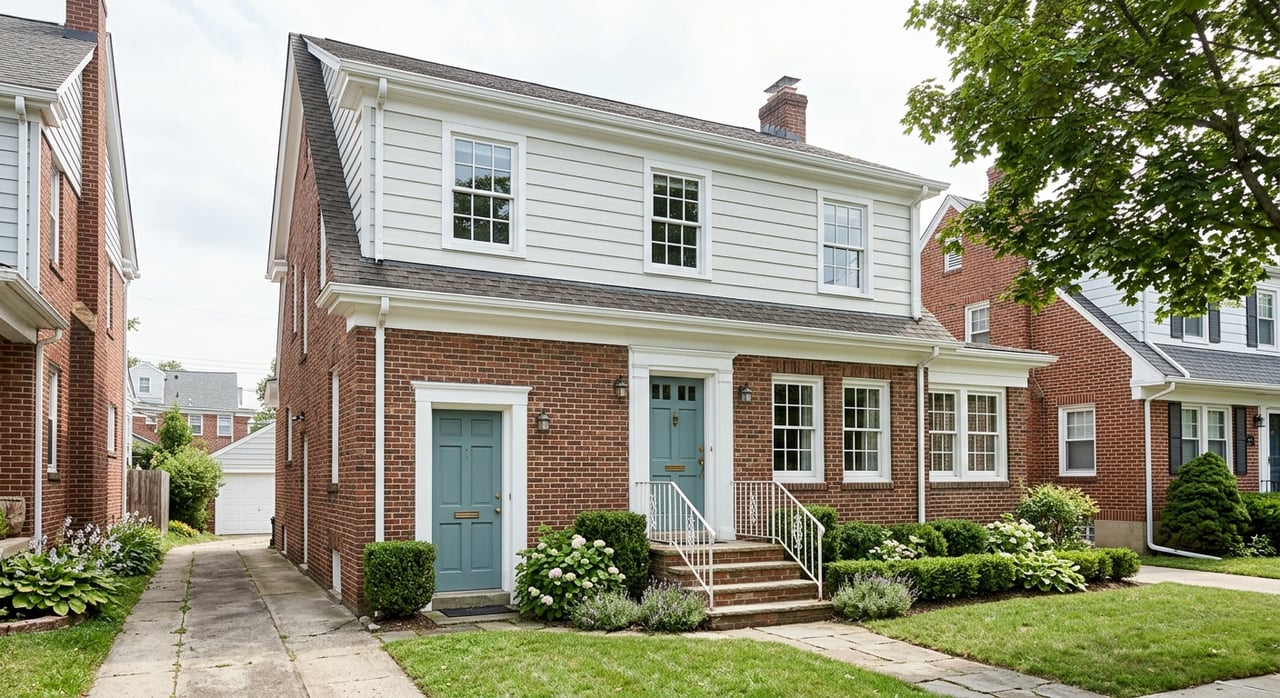
For buyers, the mix of prewar apartments, co-ops, and larger 1–3 family homes offers range. As of February 2026, the neighborhood’s median sale price is about $715,000 with a median price per square foot near $651. Entry-level co-ops and smaller condos often fall below the median, while larger homes and full brownstones trend above it.
Daily life is practical here. You have the 2/5 trains at Flatbush Ave–Brooklyn College and multiple bus lines for direct commutes into Manhattan and across Brooklyn. Street-level retail, Caribbean bakeries, and restaurants add convenience between Flatbush Avenue, Nostrand Avenue, and Cortelyou Road.
With a co-op you buy shares in a corporation and receive a proprietary lease to live in your unit. Co-ops often list at lower prices than condos, but boards can require 20 percent or more down and several months of post-closing liquidity. Board review, rules on subletting, and an interview are common. For a solid primer on approvals, packages, and timelines, see this comprehensive co-op buyer guide.
You receive a deed to your unit plus a share of the common areas. Condos usually have a simpler approval process and more flexible sublet rules. They can close faster than co-ops and draw a wider pool of lenders, though per-square-foot prices often run higher. If you finance a condo, plan for mortgage recording tax and title insurance in your closing costs.
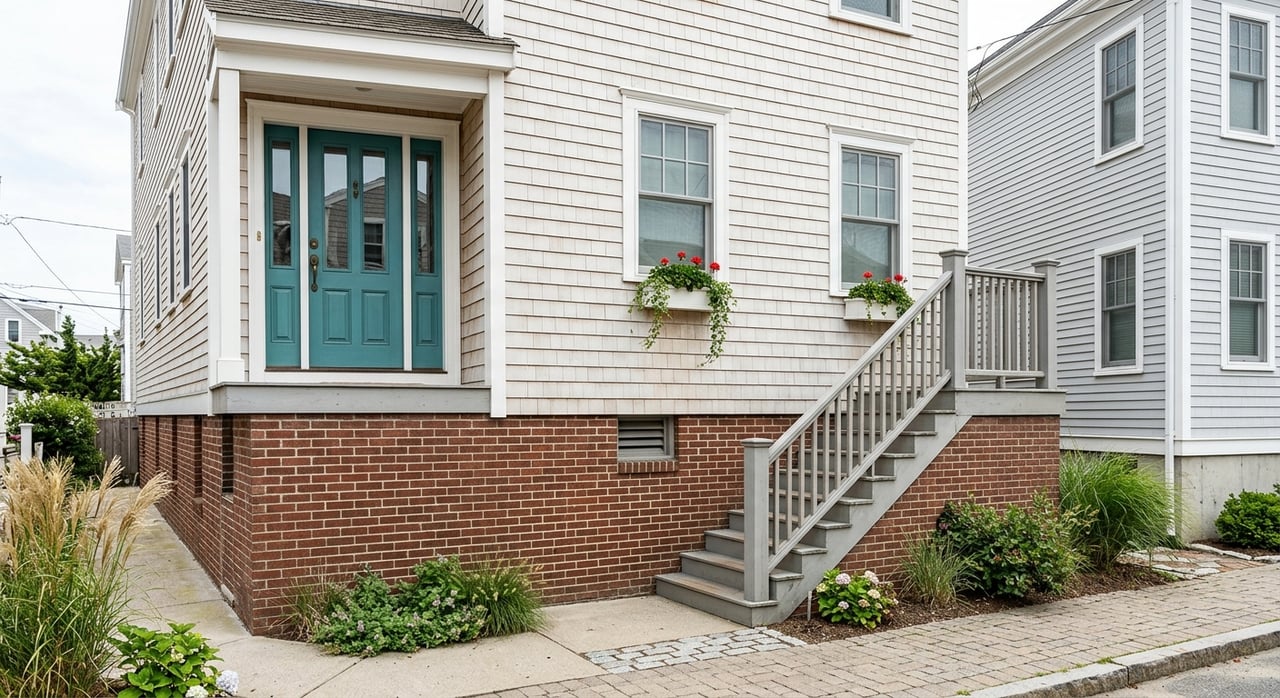
Buyers who want space and privacy often look at single-family or two-family homes. You own the property outright and handle taxes, insurance, and maintenance directly. Financing follows standard single-family guidelines. Expect inspection focus on building systems and structure, especially in older rowhouses.
Plan for your down payment, closing costs, and post-closing reserves. Many co-ops expect at least 20 percent down and will review your assets to confirm several months of maintenance left after closing. Condos and houses may work with 10–20 percent, but 20 percent is common. A simple rule of thumb for buyer closing costs in NYC is about 2 to 5 percent of the price, higher on financed condo or house purchases.
Two programs can be game changers for first-time buyers:
Confirm eligibility and make sure any lender you speak with participates in the program you plan to use.
Work with a lender that understands NYC co-ops and the HomeFirst or SONYMA process. If you are targeting co-ops, choose a bank that regularly issues share loans. Your pre-approval letter and proof of funds will go out with offers and help you compete.
Narrow your search by property type and sub-area. For co-ops, request building financials, house rules, sublet policy, and recent meeting minutes before you sign a contract. For condos, review the declaration, budget, reserve levels, and any sponsor terms. Walking different pockets of Flatbush helps you feel the fit:
If you pursue a co-op, start your package early. You will typically provide a personal financial statement, two years of tax returns, bank statements, employment verification or a CPA letter, a REBNY financial form, reference letters, credit checks, and the signed purchase contract. A tidy, complete package and quick replies help shorten approvals. For an overview of what to expect, review the co-op application checklist and process.
Always include your pre-approval and proof of funds. Consider a reasonable escalation clause if you face competition. Be careful about waiving inspection or financing contingencies. In Flatbush, sellers often value flexible closing dates and clean terms, and a complete co-op package can set you apart on co-op listings.
Plan an inspection even for condo and co-op units since many Flatbush buildings are prewar. Houses require a full home inspection focused on structure, roof, plumbing, electrical, and heating. If you finance, the appraisal follows shortly after. Expect 30 to 60 days to close on condos or houses with financing and 60 to 90 days or more for co-ops due to board review.
Your attorney and lender will calculate exact figures before you sign a contract.
Ownership and legal structure
Financing and down payments
Control, rules, and timelines
For a deeper look at co-op governance and closing dynamics, the PropertyShark co-op guide is a helpful reference.
Walk key pockets to see what fits your lifestyle and budget:
When you are ready to tour, a local agent can help you compare co-op versus condo rules, estimate closing costs by property type, and shape a winning offer strategy.
Ready to take the next step? As a Brooklyn-based team with deep roots and a track record across Flatbush, we guide first-time buyers through financing, building due diligence, and smooth closings. If you want a local partner from pre-approval to keys, connect with The Valvo Team.
Stay up to date on the latest real estate trends.
We pride ourselves in providing personalized solutions that bring our clients closer to their dream properties and enhance their long-term wealth.