Canarsie Vs Flatlands: Finding Value In Southeast Brooklyn
May 14, 2026
May 14, 2026
Wondering whether Canarsie or Flatlands gives you more for your money in Southeast Brooklyn? If you are comparing the two, you are already asking the right question because this is less about a huge price gap and more about choosing the tradeoff that fits your day-to-day life. Below, you will get a clear look at housing stock, pricing, taxes, and commute differences so you can decide where the better value is for your goals. Let’s dive in.
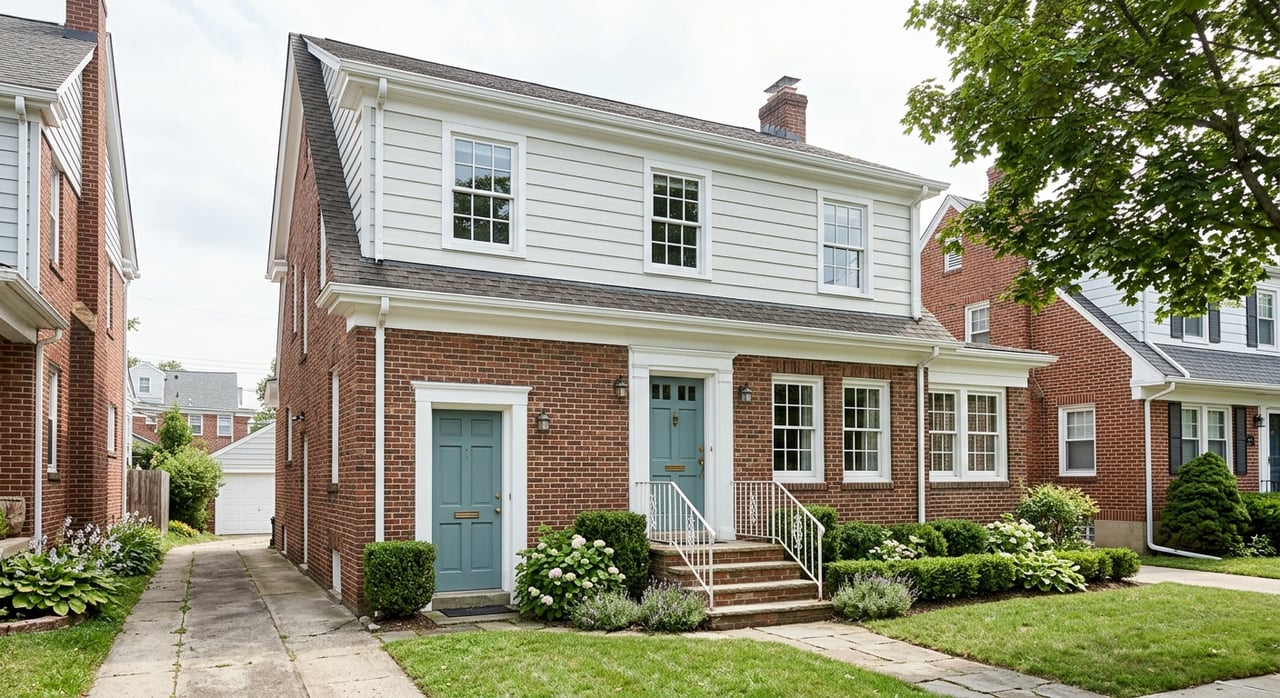
Canarsie and Flatlands sit within Brooklyn Community Board 18, and they share a lot of the same Southeast Brooklyn appeal. In both neighborhoods, low-rise housing is a major part of the landscape, which is one reason buyers often look here when they want a more house-like setup within Brooklyn.
That matters if you are hoping for features that can be harder to find in denser parts of the borough. Depending on the property, that can mean private outdoor space, a driveway, a garage, or a small multifamily layout.
Canarsie is made up mostly of one- and two-family detached and semi-detached homes, along with row houses. NYC planning materials also note that the neighborhood’s low-rise character has been preserved, with more moderate-density development directed toward transit-oriented corridors like Rockaway Parkway, Flatlands Avenue, and Avenue L.
There are also larger residential complexes in the mix, including Seaview Village, Breukelen Houses, and Bay View Houses. Still, for many buyers, the main story is that Canarsie offers a housing pattern that often feels more low-rise and ownership-focused than many other Brooklyn areas.
Flatlands also leans heavily toward one- and two-family homes. Brooklyn Community Board 18 describes the area as including predominantly one- and two-family homes, mid-rise developments, commercial shopping, and the Glenwood Houses public housing development.
In practical terms, Flatlands is not mainly a high-rise apartment market. It is a mixed neighborhood, but one where ownership-style housing remains a big part of what draws buyers and small investors.
If your version of value is more space and a lower-rise feel, both neighborhoods deserve a close look. These are the kinds of Brooklyn submarkets where you may still have a better shot at finding the layout and property type that fits long-term needs.
For buyers who want a house-like property without leaving the city, that is a meaningful advantage. For small investors, the same low-rise housing mix can create opportunities in one- to four-unit formats, depending on the property.
Current market snapshots show the two neighborhoods in a very similar asking-price range. Realtor.com lists Canarsie with a median list price of $699,000 and Flatlands at $698,000, which tells you right away that this is a close comparison.
Inventory also looks nearly even, with 178 homes for sale in Canarsie and 179 homes for sale in Flatlands. This is not a case where one neighborhood is operating in a completely different tier than the other.
Canarsie currently shows a median list price per square foot of $559 and a 96% sale-to-list ratio. Redfin’s recent sales snapshot also put Canarsie’s median sale price at $790,000 last month.
Those numbers suggest that Canarsie is modestly stronger on price. In simple terms, buyers appear willing to pay a bit more there, which may reflect demand tied to transit access and the neighborhood’s overall positioning.
Flatlands shows a lower median list price per square foot at $478. Redfin’s recent snapshot also placed Flatlands at a lower median sale price of $753,000.
Realtor.com reports Flatlands with a median of 59 days on market, which is slightly longer than what some buyers may expect in a hotter submarket. For value-focused buyers, that softer pricing picture can be appealing because it suggests your dollars may stretch a little further on a square-foot basis.
The biggest takeaway is that this is a narrow-gap comparison. You are not choosing between a bargain neighborhood and a premium neighborhood. You are choosing between two nearby markets with similar price bands but different strengths.
Canarsie appears to command a small premium. Flatlands looks slightly softer on a per-square-foot basis. That makes the decision less about sticker shock and more about what matters most to you after closing.
Transit is where the contrast becomes clearer. Canarsie has the stronger rail advantage because the L train runs between Manhattan and Rockaway Parkway at all times, and the Canarsie-Rockaway Parkway terminal is ADA accessible.
The neighborhood is also served by bus routes including the B42 and the B103 limited route to Downtown Brooklyn. If your routine involves regular trips into Manhattan or you prefer a direct subway option, Canarsie has a practical edge.
Flatlands relies more on bus service, including the B6, B82, and B103 along Flatlands Avenue. That means commuting can be more transfer-based compared with Canarsie’s direct L train access.
For some buyers, that is not a dealbreaker at all. But if convenience and fewer transit steps are high on your list, this difference can shape how you feel about the neighborhood over time.
If you are comparing homes in Canarsie and Flatlands, the sale price is only part of the monthly cost picture. In New York City, property taxes are based on tax class, not just what you pay for the property.
For tax year 2026, NYC Department of Finance rates list Class 1 at 19.843% and Class 2 at 12.439%. NYC defines Class 1 as one- to three-unit residential property and most small condos, while Class 2 covers residential property with four or more units, including co-ops and condominiums.
That distinction matters because both Canarsie and Flatlands have many one- and two-family homes. A property that falls into Class 1 may have very different carrying costs than a larger residential building in Class 2, even if the purchase prices look similar.
For Class 1 homes, assessed value growth is also capped. According to NYC guidance, assessed value cannot rise by more than 6% per year or 20% over five years, unless there is new construction or renovations.
When you compare two homes, do not stop at the list price. Ask how the property is classified, what its assessed value history looks like, and how that may affect your long-term monthly costs.
This is especially important if you are considering a small multifamily property. Two homes in the same neighborhood can carry very different tax situations depending on the building type.
The better value depends on what you want your money to do for you. If your top priorities are direct subway access, a more transit-oriented lifestyle, and slightly stronger resale energy, Canarsie may feel worth the modest premium.
If your goal is to stretch your budget a little further on a price-per-square-foot basis while staying in a similar Southeast Brooklyn range, Flatlands may be the stronger fit. You still get a neighborhood where one- and two-family housing plays a major role, but with a slightly softer pricing profile.
If you are torn between the two, focus on three questions:
Your answers will usually point you in the right direction. In this matchup, value is not just about buying the cheaper property. It is about buying the neighborhood and property type that best matches how you plan to live or invest.
If you want help comparing homes in Canarsie and Flatlands, pricing a property, or understanding what today’s numbers mean for your next move, The Valvo Team is here to help.
Stay up to date on the latest real estate trends.
We pride ourselves in providing personalized solutions that bring our clients closer to their dream properties and enhance their long-term wealth.