
Position Your Park Slope Co-op or Condo to Sell Strong
April 16, 2026
April 16, 2026
If you want to sell strong in Park Slope, “list it and hope” is not a strategy. Buyers in this market are paying close attention to pricing, presentation, and building details, especially when they are comparing co-ops and condos side by side. The good news is that with the right positioning, you can stand out for the right reasons and protect your negotiating power. Let’s dive in.
Park Slope remains a premium Brooklyn market, but the numbers vary depending on whether you are looking at closed sales, asking prices, or quarterly reports. According to PropertyShark’s Park Slope market data, January 2026 closed sales showed a median sale price of $1.425M, with condos at a median of $1.8M and co-ops at $1.2M. Other sources tracking asking prices and active inventory also point to a market where pricing close to current conditions matters.
That is the first big takeaway for sellers: your home is not competing against every listing in Park Slope equally. It is competing most directly against homes with the same ownership structure, similar condition, comparable monthly costs, and a similar buyer profile.
A Park Slope co-op and a Park Slope condo should not be priced from the same neighborhood average. The gap between condo and co-op median sale prices in the latest PropertyShark snapshot is large enough to make broad pricing unreliable for an individual seller.
The strongest pricing strategy usually starts with recent closed sales for the same property type. From there, you adjust for line, layout, condition, light, floor level, outdoor space, and monthly carrying costs. This is where careful pricing can help you attract serious attention early instead of sitting on the market and chasing reductions later.
For both co-ops and condos, buyers look beyond the apartment itself. They are also evaluating maintenance or common charges, any assessments, the building’s financial picture, and recent capital work.
The New York Attorney General’s buyer guidance advises buyers to review offering plans, board minutes, financial reports, and violation history because those records can reveal expensive building-wide issues. If your building has completed major work, maintains its systems well, or has a cleaner financial story than competing listings, that can strengthen your pricing position.
Park Slope buyers are not just shopping for square footage. They are also paying for location, architecture, and a certain kind of Brooklyn housing stock that is hard to replicate elsewhere.
StreetEasy’s neighborhood overview highlights the area’s prewar homes and ornate carved woodwork, while PropertyShark points to historic buildings, tree-lined streets, and access to multiple subway lines. If your apartment has original details, gracious proportions, park adjacency, or practical transit access, those features should be highlighted clearly in the listing story and visuals.
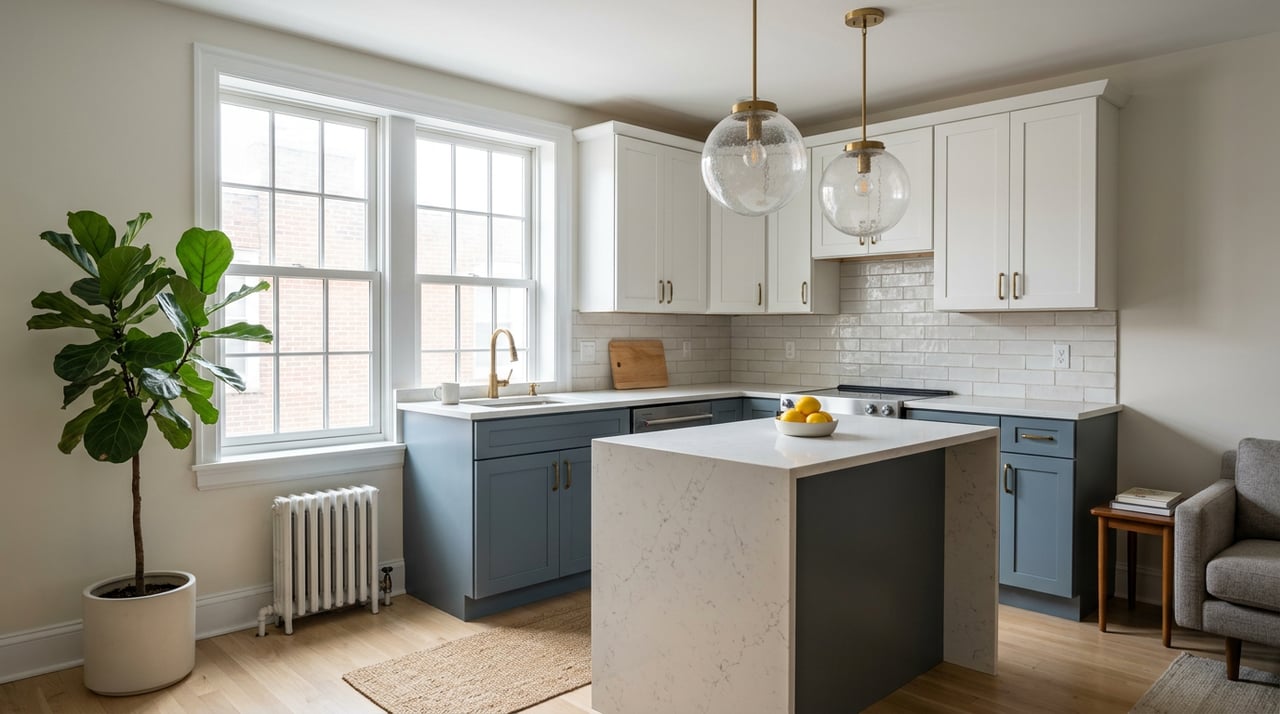
In Park Slope, presentation works best when it sharpens the home’s personality instead of erasing it. Buyers often respond to details that feel authentic to the neighborhood, but clutter, heavy furniture, and overly personal decor can hide those strengths.
That means your goal is not to make the apartment feel generic. It is to make it feel clean, bright, and easy to understand, while letting the most valuable architectural details stand out.
Staging is not just about making a home look nice in person. It also helps your listing perform online, where most buyers form their first impression.
According to the 2025 NAR Profile of Home Staging, 83 percent of buyers’ agents said staging made it easier for buyers to visualize a property as a future home. In the same report, the living room, primary bedroom, and kitchen ranked as the most important rooms to stage.
If you are preparing a Park Slope co-op or condo for market, focus first on the rooms that shape emotional and visual impact:
Online presentation matters just as much as in-person showings. NAR’s 2026 guidance on listing visibility says 81 percent of buyers rate listing photos as the most useful feature in online search.
That same guidance notes that buyers respond to practical value features such as energy-efficient upgrades, flexible-use rooms, smart-home features, and usable outdoor areas. If your apartment offers any of those benefits, they should be photographed well and described clearly without overselling them.
Strong positioning starts before the first showing. Buyers are trained to notice visible defects, and those details can make a home feel less cared for even when the underlying property is solid.
The Attorney General’s guidance for co-op and condo buyers encourages buyers to inspect appliances, plumbing, heating, air conditioning, windows, and signs of leaks or cracks. In practical terms, sellers should assume that these same issues will be noticed in listing photos, during open houses, and later in diligence.
A smart pre-listing punch list often includes:
These updates are usually less about luxury and more about credibility. When the home looks cared for, buyers are more likely to trust the rest of the story.
In Park Slope, many sales rise or fall on details beyond the unit. A well-positioned listing anticipates the buyer’s questions about the building and answers them cleanly.
That includes the basics like monthly charges, assessment history, recent capital improvements, and any known building work. For sponsor or new-development sales, the Attorney General also warns that marketing claims should match the offering plan and written contract terms, so accuracy matters.
If you are selling a co-op, buyer documentation and board review can shape your timeline. The Attorney General’s co-op resource explains that in a co-op, the buyer purchases shares in a corporation and receives a proprietary lease, and board procedures must comply with fair housing laws.
The Council of New York Cooperatives and Condominiums guidance referenced in that resource recommends a standard application package, clear deadlines, and a goal of responding within about six weeks after receipt of a complete package. That means co-op sellers benefit from preparing early, setting expectations, and making sure qualified buyers understand the process from the start.
Condos also involve buyer applications, but the review process is usually less restrictive. As Brick Underground explains, condo boards still ask for materials, but they generally do not reject buyers the way co-op boards can, and waivers are often faster than co-op approvals.
For sellers, that difference affects strategy. A condo listing may be able to market more heavily around flexibility and timeline, while a co-op listing benefits from emphasizing buyer readiness and a clean path through board review.
In this market, credibility is part of marketing. Buyers are comparing photos, numbers, and building details quickly, and the listings that feel clear and complete tend to inspire more confidence.
That means your positioning should bring together three things:
When those pieces line up, your home is easier for buyers to understand and easier for them to act on.
The first days on market matter. NAR’s listing visibility guidance notes that early engagement can improve visibility in feeds, alerts, and recommendations.
That makes pre-launch prep especially important. If pricing is off, photos are weak, or the apartment is not fully ready, you risk wasting the strongest window of attention your listing may get.
A stronger launch usually looks like this:
In Park Slope, strong results usually come from disciplined preparation, not shortcuts. Buyers here are informed, the housing stock is nuanced, and the difference between a co-op and condo sale can shape everything from pricing to timing.
If you want your sale to stand out, focus on the factors buyers care about most: a price that makes sense, a home that shows beautifully, and a transaction story that feels organized and trustworthy. That is how you create momentum, protect value, and give yourself the best chance to sell on strong terms.
If you are thinking about selling and want a practical strategy tailored to your apartment and building, The Valvo Team can help you evaluate pricing, prep, and launch timing with a neighborhood-first approach. You can also request a free home valuation to see how your Park Slope co-op or condo may fit into today’s market.
Stay up to date on the latest real estate trends.
We pride ourselves in providing personalized solutions that bring our clients closer to their dream properties and enhance their long-term wealth.