Thinking about buying in Prospect Heights but not sure if a condo or a co-op fits you best? You are not alone. The choice affects your financing, monthly costs, flexibility to rent, and even how much paperwork you face before closing. In this guide, you will learn the key differences, what to look for in building documents, and a simple framework to choose with confidence. Let’s dive in.
Condo vs co-op basics in NYC
What you own
- Condo: You receive a deed to your specific apartment and a share of the building’s common areas. You are a property owner with rights defined in the condo’s declaration and bylaws.
- Co-op: You buy shares in the corporation that owns the building and get a proprietary lease to live in the unit. You are a shareholder with rights set by the proprietary lease, bylaws, and house rules.
How sales and approvals work
- Condos transfer like other real property. The sale is recorded with the county. Boards focus on bylaw compliance rather than deep buyer vetting.
- Co-ops transfer shares. Nearly all co-ops require a detailed board package, interviews, and approval before you can close. Boards can deny or set conditions.
Documents that govern your home
- Condos: declaration, bylaws, offering plan, building budget, and house rules.
- Co-ops: proprietary lease, bylaws, house rules, corporate financials, and often an underlying mortgage on the building.
Money matters in Prospect Heights
Every building is different, but a few patterns can help you plan.
Purchase price and financing
- Pricing: Many co-ops have lower list prices than comparable condos, though it varies by block, amenities, and board reputation.
- Financing: Condos usually allow more loan options and smaller down payments, sometimes in the 10 to 15 percent range depending on the program. Co-ops often require larger down payments, commonly 20 to 30 percent or more, and some buildings require 30 to 50 percent. Co-op lenders also evaluate the building’s financial health.
- Liquidity: Some co-op boards require proof of post-closing liquid reserves. Condos generally do not set buyer liquidity rules.
Monthly costs compared
- Co-op maintenance: One monthly payment often bundles building operations, property taxes paid by the corporation, and sometimes part of the underlying mortgage. Utilities may be included or allocated.
- Condo charges: You pay common charges for operations plus your unit’s property taxes separately. The total can be similar to a co-op or quite different depending on assessments and budgets.
- Reserves and assessments: Both building types need healthy reserve funds. Low reserves or big projects can lead to special assessments. Review reserve levels and assessment history.
Closing costs and fees
- Condos: Expect mortgage recording tax if financing, title insurance, lender and appraisal fees, and your attorney’s fees.
- Co-ops: No deed recording, so the structure differs. Many co-ops charge application and move-in fees, and some have a flip tax or transfer fee. You still have lender and attorney costs.
Taxes and deductions
- Condo owners receive property tax bills and can generally deduct mortgage interest and property taxes, subject to federal and state rules.
- Co-op shareholders pay monthly maintenance. A portion may be deductible for mortgage interest and real estate taxes based on how the co-op allocates expenses. Consult a tax advisor for specifics.
Resale and liquidity
- Condos typically draw a broader buyer pool, including investors and out-of-state purchasers. That can support resale options.
- Co-ops often limit investors and sublets, which can narrow the pool but may support an owner-occupied environment.
Rules, boards, and lifestyle
Board approval and privacy
- Co-ops scrutinize finances, employment, references, and more. Expect a thorough application and a board interview. Timing and decisions can add complexity.
- Condos may require basic application materials but rarely conduct intensive interviews. Approval is often faster.
Renting and subletting
- Co-ops often restrict subletting. Many require a minimum period of ownership before renting and board approval for each sublet.
- Condos are usually more flexible, with fewer restrictions on rentals, subject to building rules and local regulations.
Pets, renovations, and house rules
- Pets: Co-ops commonly have stricter pet policies that may include size or number limits and board approval. Condos can be more permissive, but rules vary by building.
- Renovations: Both require compliance with contractor insurance and house rules. Co-ops may add extra steps like design review or construction escrows.
Building culture and transparency
- Co-ops often prioritize community control and long-term residents. Decision-making can be methodical.
- Condos can feel more transactional, with governance focused on services and amenities. In both cases, review board meeting minutes for transparency, reserve planning, and any litigation.
Prospect Heights building types to know
Brownstones and conversions
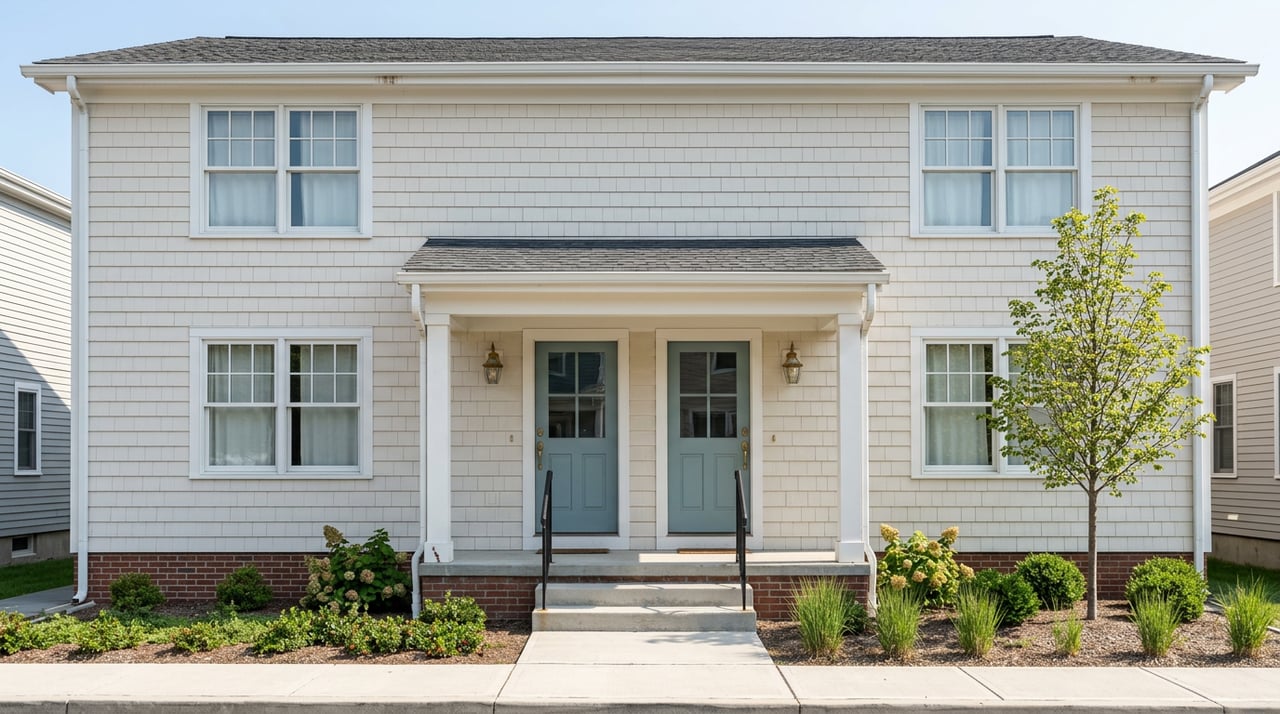
Many Prospect Heights blocks feature brownstones and townhouses. Some are single-family homes, while others are converted into small condo or co-op buildings. Conversion details matter. Review how common elements are defined, the certificate of occupancy, and how maintenance or common charges are allocated among units. Historic rules may affect exterior work on brownstone blocks.
Prewar co-ops
Prewar walk-ups and elevator buildings are common. Many were converted to co-ops years ago. These buildings can deliver classic layouts and solid construction, along with boards that value consistency. Expect detailed house rules, possible pet limits, and a focus on owner occupancy. Maintenance can look higher on paper because taxes are included, so compare total monthly outflows to a condo’s combined charges and taxes.
Newer condos and mixed-use developments
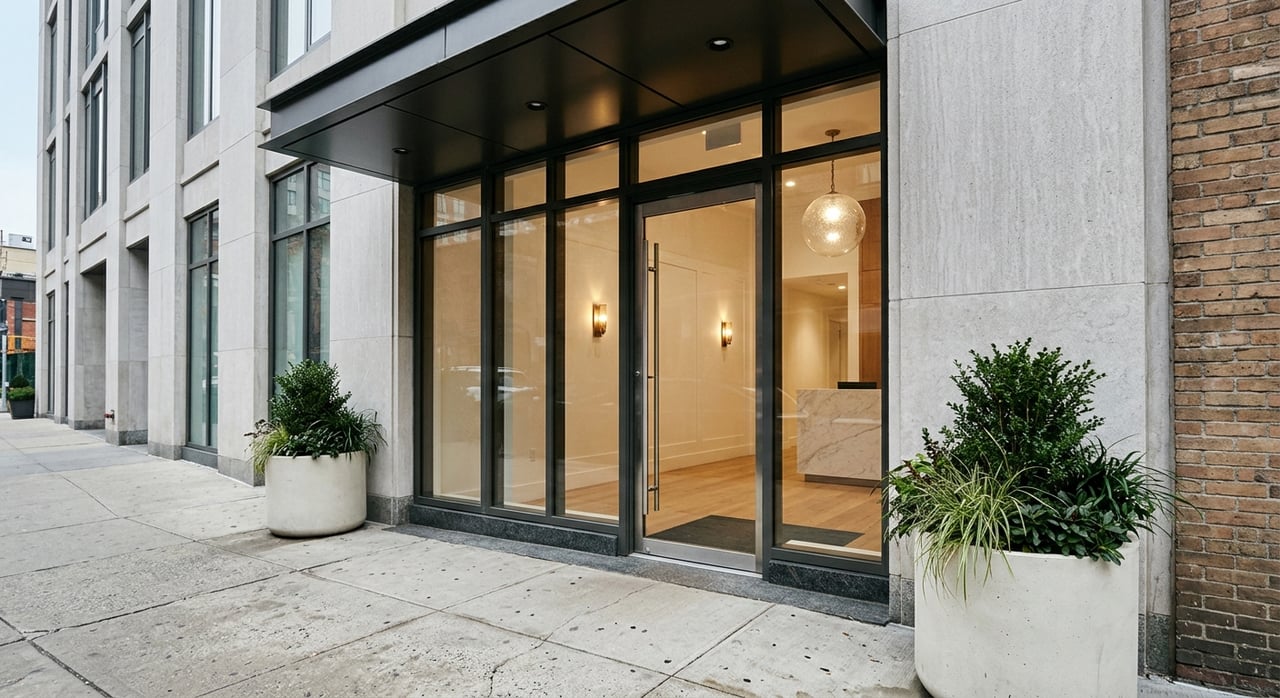
Prospect Heights also has newer mid-rise and high-rise condos, especially along main corridors and near transit hubs. These buildings may offer modern amenities like gyms or attended lobbies. They often attract buyers who want flexible financing, the option to rent, and potentially faster approvals.
Decision framework: which fits you
Use these quick questions to steer your choice.
- Is a smaller down payment important? You will likely prefer a condo.
- Do you need the option to rent the unit in the future? A condo generally offers more flexibility.
- Do you value a tightly controlled, mostly owner-occupied building? A co-op may fit better.
- Are you comfortable with a board interview and subjective approval? If not, a condo may be smoother.
- Do you want taxes bundled into one monthly payment? A co-op’s maintenance might appeal to you, but compare totals.
Due diligence checklist before you offer
Review documents side-by-side so you can compare apples to apples.
For both condos and co-ops
- Offering plan or governing documents, annual budget, bylaws, and house rules
- Board meeting minutes for the last 12 to 36 months
- Current reserve fund statement and recent audited financials
- Recent and planned capital projects and any special assessments
- Building insurance summary and required unit owner coverage
- Any pending or recent litigation
Condo-specific
- Declaration and bylaws, percentage interest schedule, and unit deed details
- Certificate of occupancy and the most recent offering plan for newer buildings
- If relevant to your financing, check whether the building meets program requirements that matter to you
Co-op-specific
- Proprietary lease and corporate financial statements
- Underlying mortgage terms on the building
- Flip tax or transfer fee policy
- Co-op application forms, board package checklist, and current house rules
Questions to ask the listing agent or board
- What are the sublet and rental policies, including any ownership-period requirements?
- What are the minimum down payment and post-closing liquidity requirements?
- Are there any transfer fees or flip taxes, and who pays them?
- What capital projects are planned, and how will they be funded?
- What is the renovation approval process and timeline?
- Are there any current or pending legal actions?
- What is the occupancy mix by owner and renter?
Local tips for offers and closing
If you are pursuing a co-op
- Choose a lender experienced with co-op loans early in your search.
- Start gathering board package materials while you do contract due diligence to save time.
- Budget extra time for the board interview and approval window.
If you are pursuing a condo
- Review building rules and financials, but expect a simpler approval path.
- If you care about resale to a wide buyer pool, confirm rental policies and any program approvals that matter to future buyers.
For both
- Ask for the most recent financials and reserve statements, not just last year’s budget.
- Consider a building-level inspection or a professional review of capital reserves, especially in smaller conversions.
- Compare the true monthly out-of-pocket cost, including taxes, utilities, and any assessments.
Putting it together
There is no one-size-fits-all answer in Prospect Heights. If you want broader financing options, an easier approval path, and rental flexibility, a condo likely fits you. If you value community control, potentially lower list prices, and a resident-first culture, a co-op may be the better match, as long as you can meet the board’s down payment and liquidity standards. Either way, your best move is to review building documents carefully and align the rules with your lifestyle.
If you want help comparing specific buildings and crafting a strong offer, reach out to The Valvo Team. Our Brooklyn-based team will walk you through financing, board rules, and the due diligence that protects your purchase.
FAQs
Which is cheaper month to month in Prospect Heights, a condo or a co-op?
- There is no universal winner. Co-op maintenance includes taxes and sometimes mortgage costs for the building, while condos separate common charges from property taxes. Compare the total monthly out-of-pocket amount for each unit you consider.
Are co-op mortgages harder to get in Brooklyn than condo loans?
- Co-op loans involve underwriting the building as well as the buyer, and many co-ops require larger down payments and post-closing liquidity. Fewer lenders operate in the co-op space than in the condo space, so start with a lender experienced in co-ops.
Can I rent out a co-op apartment in Prospect Heights?
- Possibly. Many co-ops restrict subletting, require a minimum period of ownership, and need board approval for each rental. Review the building’s written policy and timelines before you buy.
Do Prospect Heights condos usually appreciate faster than co-ops?
- Appreciation depends on location, building quality, and market conditions. Condos attract a broader buyer pool, which can support resale activity, but well-run co-ops in strong locations can also perform well.
What building document red flags should I watch for as a buyer?
- Low reserves, frequent special assessments, ongoing or frequent litigation, a high share of owners behind on payments, restrictive or opaque rules, and large capital projects without clear funding are all caution signs.