Classic brownstones and luxe condos between Prospect Park and Barclays
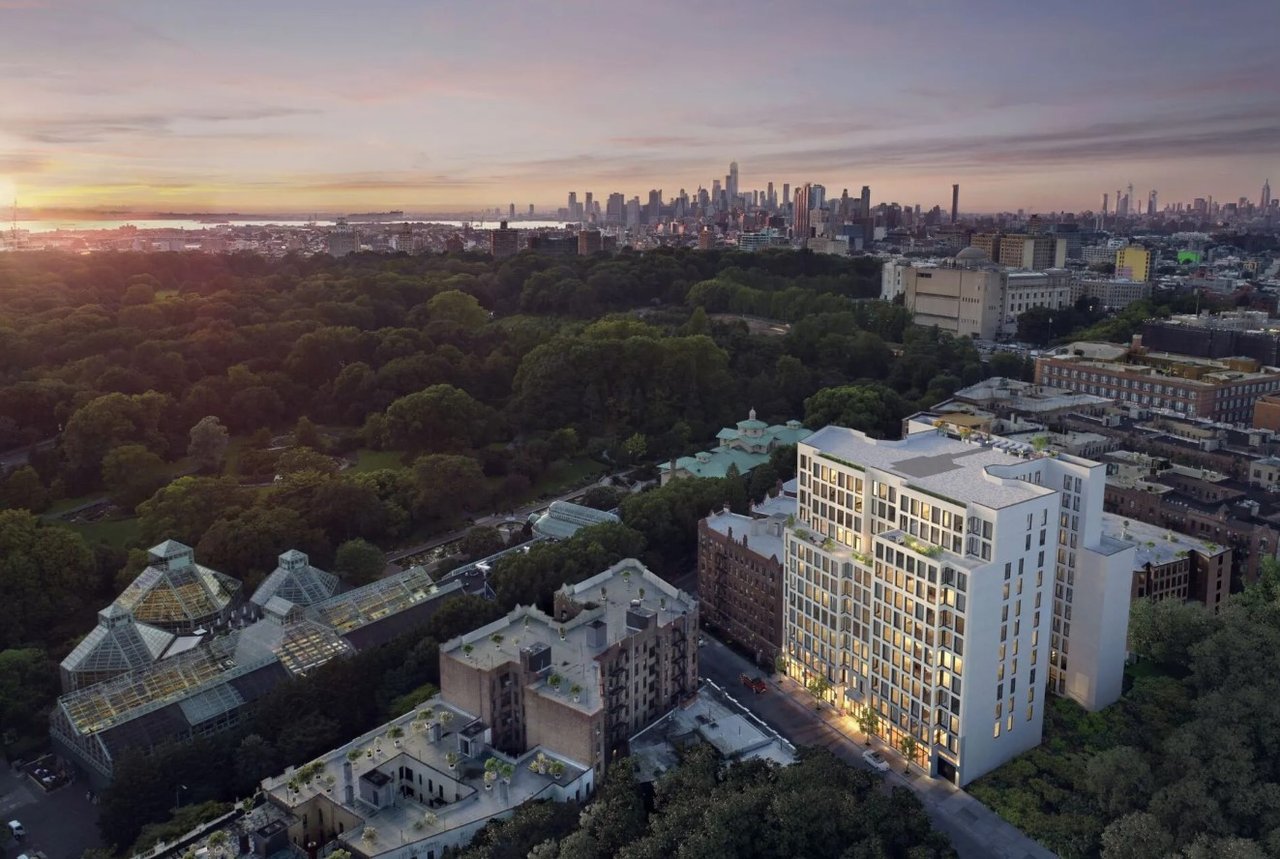
Prospect Heights has long lived in the shadow of its bigger, more prestigious neighbor, Park Slope. But when the Barclays Center opened in 2012, Prospect Heights became a destination of its own. Today, trendy restaurants and bars on its main avenues, Vanderbilt and Washington, attract New Yorkers across the city, and new condos popping up alongside prewar brownstones deliver luxury amenities. “Traditional brownstones aren’t going anywhere,” says Steven Sallion, a Brooklyn-born real estate broker who’s lived and owned in Prospect Heights for the past 30 years. “But these other buildings are providing more choice for people who are new to the neighborhood.” Proximity to Prospect Park, the Brooklyn Museum and the Brooklyn Botanic Garden also means families can have a day out while staying close to home. “I like the scale of the neighborhood,” says resident and real estate broker Lindsay Barton Barrett. “Prospect Heights is a really nice combination of neighborly residential scale with really easy access no matter where you are, and an organic mix of residential and retail spaces throughout.”
Vanderbilt Avenue is a main dining destination
“Prospect Heights has always had this brother-sister relationship to Park Slope. Now a lot of the more popular retail options are choosing Prospect Heights over Park Slope,” Sallion says. Vanderbilt Avenue has become one of the area’s main dining drags, with Chuko’s ramen and pork buns, and Olmsted’s playfully upscale New American food and garden seating. On weekends during the spring and summer, Vanderbilt becomes pedestrian-only, thanks to the NYC Open Streets program. “Kids can play in the street and moms meet up with strollers; it’s really enhanced walkability,” Sallion says. Washington and Flatbush avenues have both old favorites like Tom’s, a checker-floored 1930s diner, as well as newer transplants like Patsy’s for family-style Italian and Sofreh’s Persian for date night. The year-round Greenmarket at Grand Army Plaza has fresh local produce, and Union Market on Flatbush Avenue has specialty groceries. And Unnameable Books offers a taste of the neighborhood’s eclectic personality.
Landmark prewar co-ops next to history-making new developments
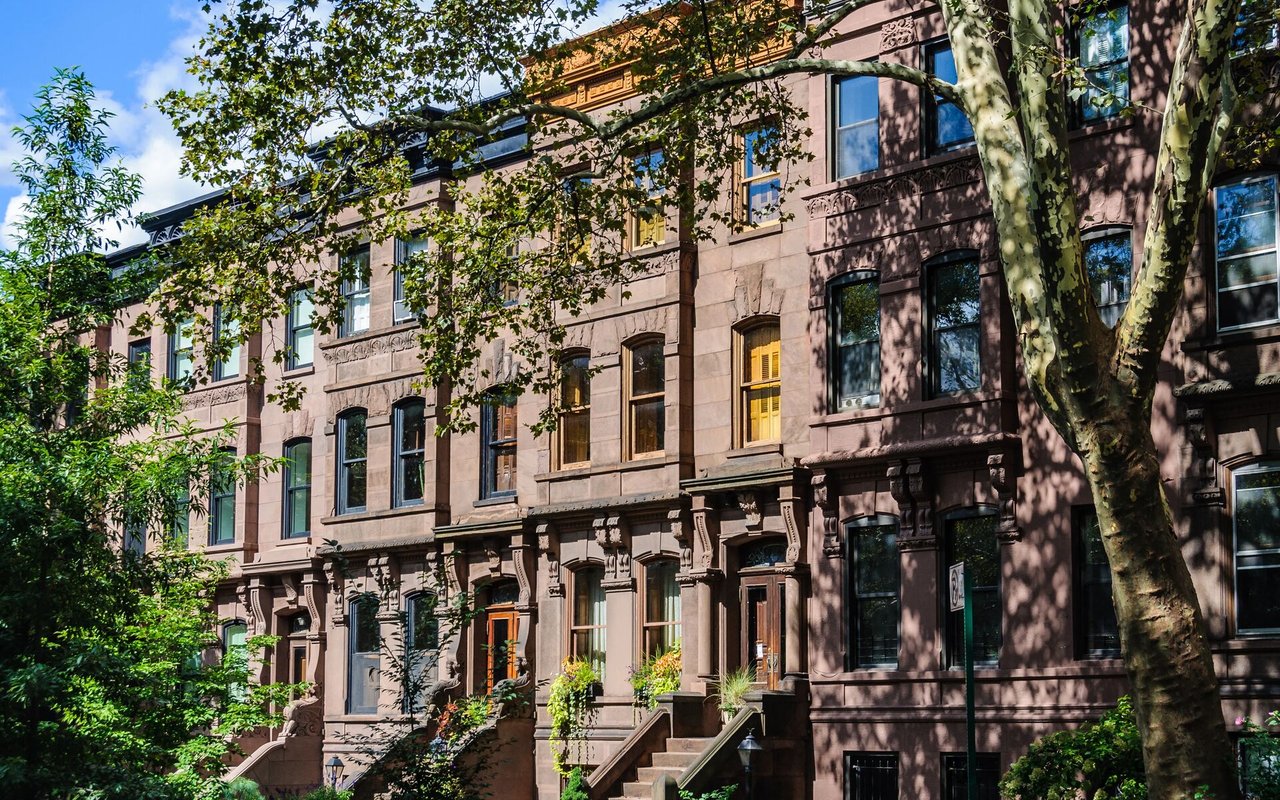
Quaint side streets maintain a connection to early 20th-century New York City, with prewar brownstones making up much of the neighborhood’s historic district and low-rise co-op buildings, of which some have historic landmark designations. Elsewhere, pre- and postwar buildings coexist, sometimes with converted warehouses in between. Co-ops can start as low as $550,000, but most are priced from $1.2 million to $2 million, depending on size. Many avenues maintain the area’s low skyline with brick co-op and apartment buildings, but newer and taller developments have been moving in, including glassy condominiums in the Pacific Park project where units range from $1 million to $4 million. Historic structures, like a red-brick schoolhouse, have been converted into co-op units, and some brownstone owners have renovated their buildings into three- or four-unit condos. “These converted condos provide a lower density option for those who don’t want all the amenities of a larger condo building,” Sallion says.
The Central Park of Brooklyn – zoo included
Prospect Park, located past the Romanesque arch in Grand Army Plaza, is one of the city’s biggest parks at 526 acres. Forested walking paths and a 3.35-mile biking loop keep people exercising, and a fishing pond and horseback riding trail connect residents to nature. A roller-skating rink — which turns into an ice-skating rink in winter — jazzes up recreation options beyond the baseball diamonds and tennis courts. In 2023, the Chelsea Piers Field House brought indoor swimming and athletic programming that families can use year-round. The zoo’s wildlife entertains and educates, and the nearby Brooklyn Botanic has indoor and outdoor gardens blooming in every season.
West Indian Day Parade, Cherry Blossom Festival and Brooklyn Nets games
Just south of Prospect Heights, the Brooklyn Botanic Garden has two annual events that bring out New Yorkers from across the city: the Sakura Matsuri Cherry Blossom Festival in late spring and the Lightscape show in winter. In September, the West Indian Day Parade dances up Flatbush Avenue for a colorful finish at Grand Army Plaza. Summer music performances at the Lena Horne Bandshell in Prospect Park offer outdoor entertainment, and the Barclays Center regularly hosts Brooklyn Nets basketball games and concerts. "Having the center right there in the neighborhood is amazing for its variety of high-brow events," Barton Barrett says.
Subways to Manhattan and railroads to Long Island
“What’s interesting is that most areas that are considered prime for Park Slope can be so far from the train,” Barton Barrett says. “What’s nice about Prospect Heights is the neighborhood itself is not very big, but wherever you are, you have good access to a variety of trains.” Subway stations dot the perimeter of Prospect Heights, with service on the 2, 3 and 4 lines, as well as the B and Q trains. Ten different subway lines pass through Atlantic Avenue Station at the major intersection of Atlantic and Flatbush avenues, and underground walkways to Atlantic Terminal provide connections to the Long Island Railroad.
Near one of NYC’s top 10 high schools
P.S. 9 Sarah Smith Garnet is a local public elementary school with an A grade from Niche. I.S. 340 North Star Academy serves middle schoolers and has a grade of B. Just outside Prospect Heights, the Brooklyn Technical High School has an A-plus from Niche, and in the fall of 2024, an existing middle and high school moved into a new mixed-use development at 664 Pacific Street.