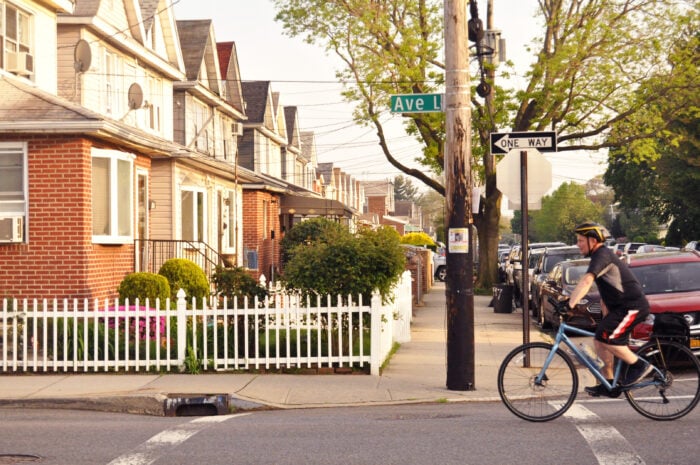
Flatbush offers historic homes, several parks and cultural diversity
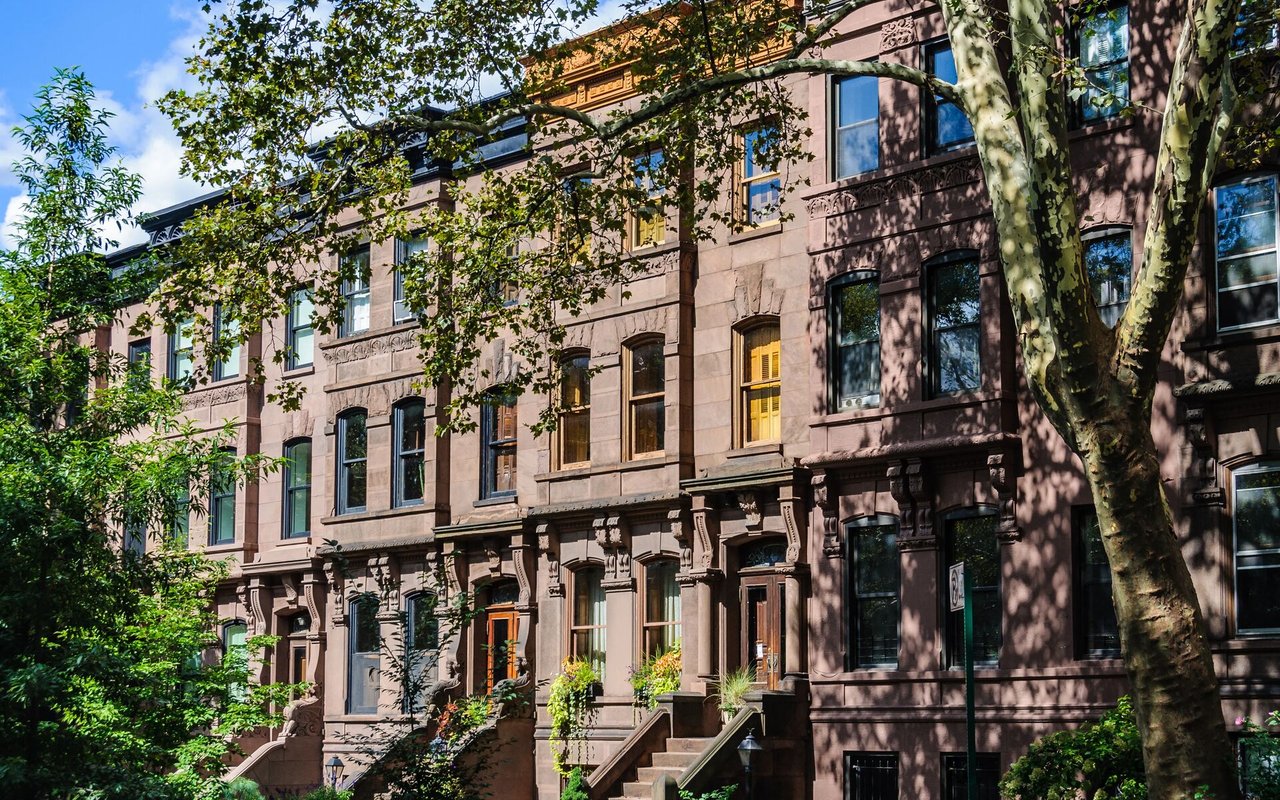
At the heart of Brooklyn, Flatbush is a vibrant cultural hub and historic community with easy access to retail and recreation. “Flatbush was an original Dutch town, so you’ll see a bunch of Victorian architecture, tree-lined streets, pre-war co-ops and really grand detached homes in areas like Victorian Flatbush, Ditmas Park and Beverly Square,” says Lisa James, a real estate agent with The Morris Team at The Corcoran Group who was born and raised in Flatbush. More than 100,000 people live in the neighborhood, many of them in Victorian homes, 20th-century bungalows and apartments and 2000s-built townhouses. “What they’re primarily looking for is the ability to feel like they’re in the suburbs while still being in an urban neighborhood,” James says. Historically an enclave of Caribbean cultures, Flatbush’s growing diversity is evidenced in its mixture of West Indian, Latin American and Asian restaurants, as well as events like the West Indian Day Parade. “Because of what I deem to be the diversity of the neighborhood, there’s a lot of different types of cuisines as well,” James says. “Interestingly enough, it’s also a little, pseudo-college town because of Brooklyn College near Flatbush Junction.”
Prospect Park and smaller playgrounds surround Flatbush with greenery
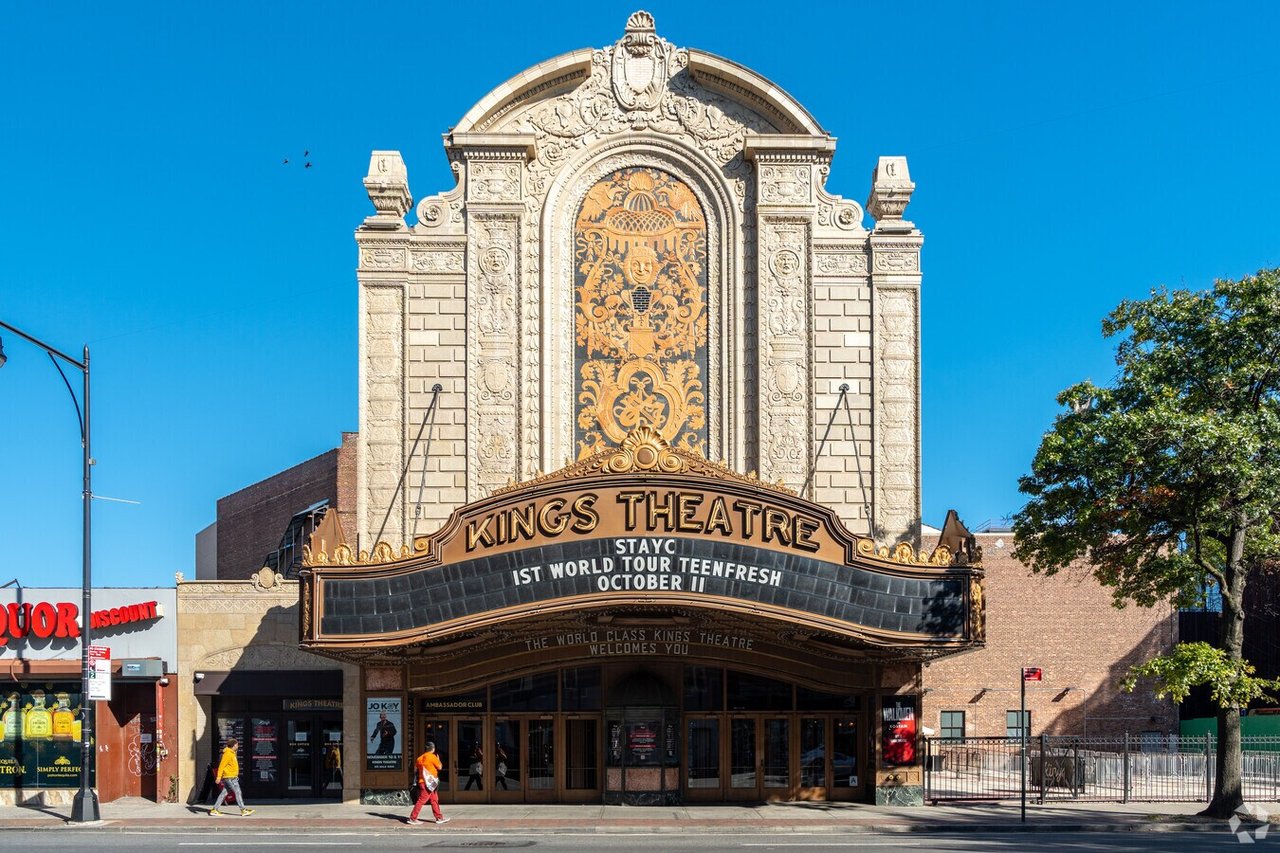
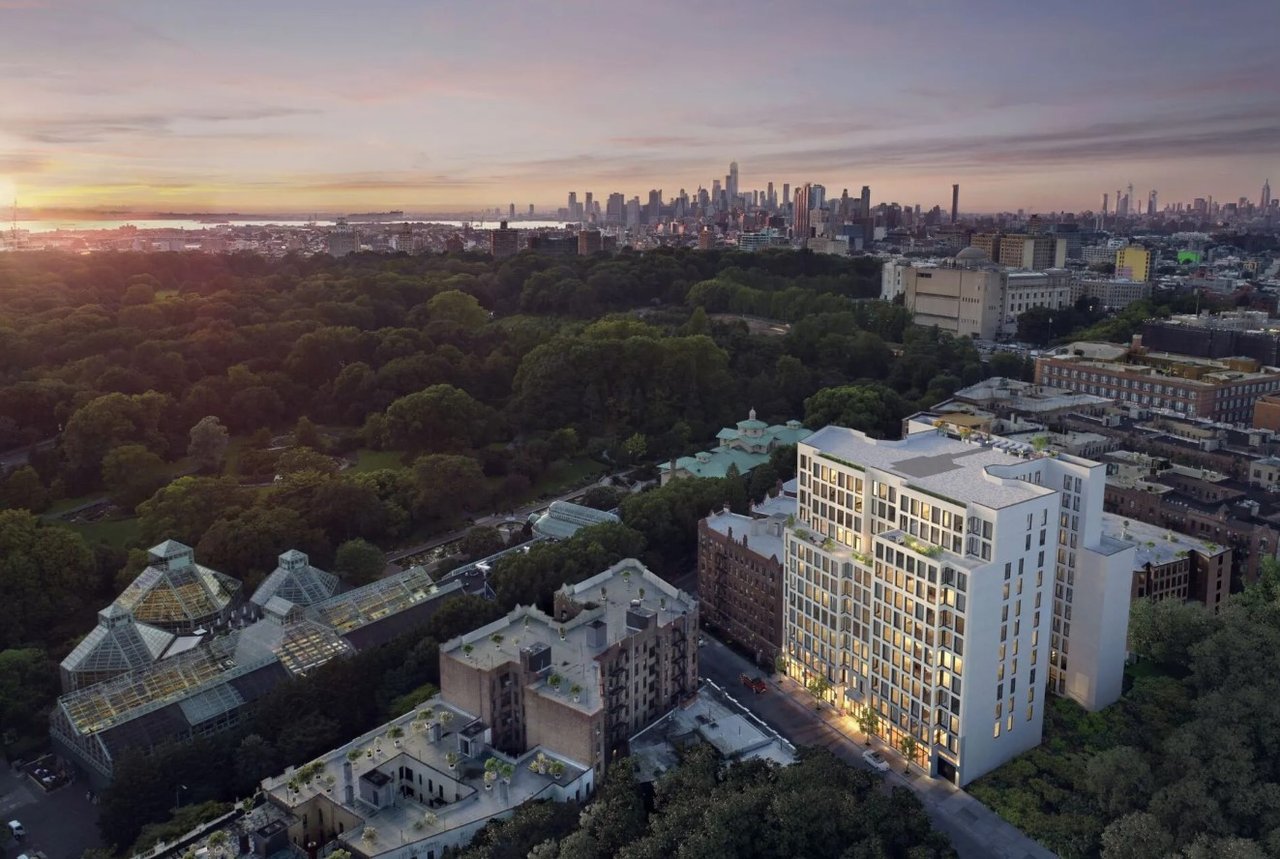
Small green spaces like the Nostrand Playground and Midwood Playground put basketball and handball courts and playgrounds at the heart of Flatbush. “I think one of the things that makes the area of Flatbush stand out is what I deem to be the amount of green space that is close and available in the Prospect Park area,” James says. At Flatbush’s northwest corner, the 526-acre Prospect Park offers scenic walking trails, a zoo, paddle-boating and more. The park’s Parade Ground section, two blocks from Flatbush, lets visitors play baseball where the legendary pitcher Sandy Koufax once trained, and it also includes a playground, a tennis center and soccer fields. Flatbush Avenue has plenty of indoor entertainment options, including Kings Theatre, built in 1929 and renovated as an events venue in 2015.
Victorian suburbs meet busy city streets along Flatbush Avenue
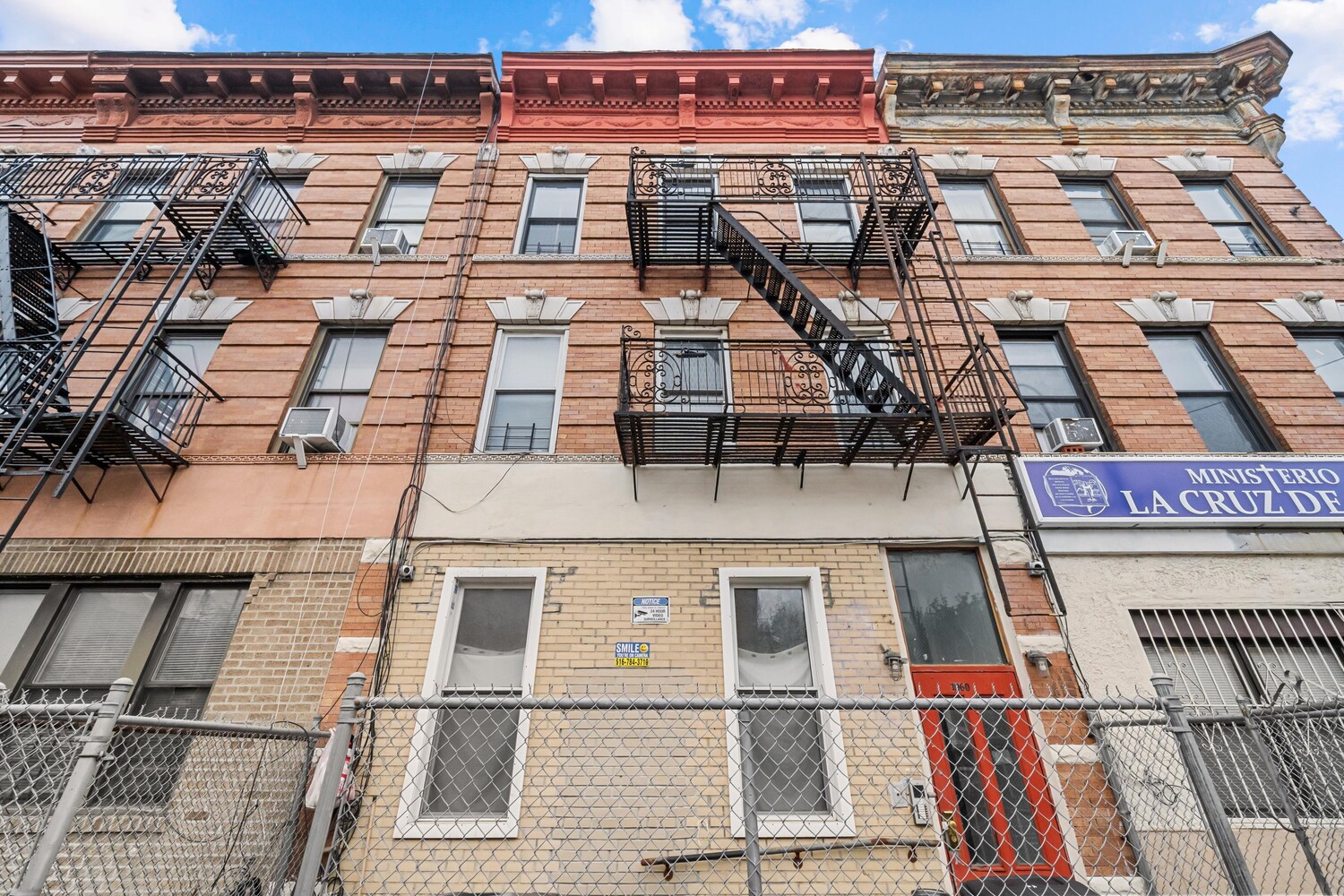
Flatbush is split between a more suburban south and an urbanized north and middle. The southern “Victorian Flatbush” section of the neighborhood is full of historic homes built in the late 19th century. These residences feature tree-shaded front lawns, lush foliage and grassy medians called the Flatbush Malls. “It’s one of New York’s largest collections of free-standing wood-framed homes,” James says. Many Victorian properties have been converted into multi-family homes. Those with fewer than four bedrooms go for $750,000 to $880,000, while those with five or more sell for $740,000 to $1,530,000. “If you’re looking to be in Brooklyn long-term and you can qualify for a multi-family, that’s really a great investment considering the average rental prices in New York City nowadays,” James says. The rest of Flatbush is more tightly packed, with terraced Victorian homes sitting along sidewalks and rarely featuring front gardens. Condos sell for $410,000 to $790,000, co-ops for $310,000 to $770,000 and townhouses for $1,150,000 to $2,350,000.
Diverse eateries offer Caribbean, Middle Eastern and many more flavors
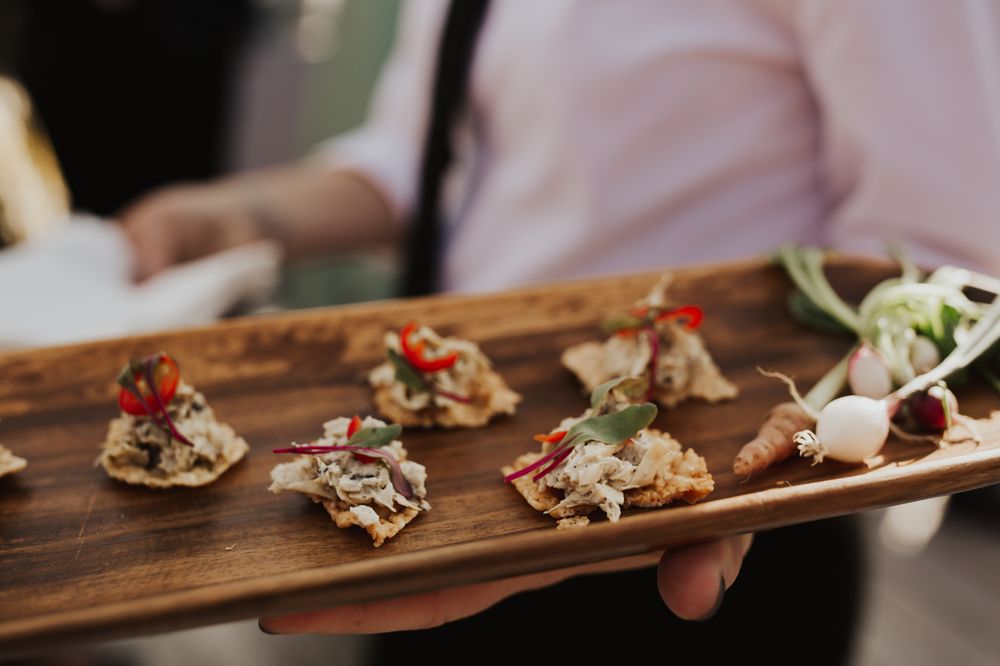
Flatbush Avenue, which follows the course of an old Lenape trail, runs from Marine Park to the Manhattan Bridge and forms Flatbush’s main retail thoroughfare. The Golden Blue Bar & Restaurant specializes in Haitian food, while Island Express offers Indo-Caribbean dishes like roti wraps and jerk chicken. Ayat, a Palestinian restaurant featured in the Michelin Guide, merges Levantine and Brooklynite tastes through dishes like “pizzawarma,” a pizza covered in shawarma ingredients. Soul food, Uzbek, Pakistani and Italian restaurants add to Flatbush’s culinary diversity. Grocery options include Triangle Junction’s Aldi and Target, CTown and the Church Fruit Farm open-air produce market.
Flatbush students can choose from several highly rated high schools
Students in central and southern Flatbush can attend New York City Geographic School District No. 22, which receives an A from Niche, while students from northern Flatbush can attend the B-minus-rated Geographic School District No. 17. Citywide school choice means that learners may opt to attend nearby high schools like Brooklyn College Academy and Brooklyn Prospect High School, which receive A-minuses, or the A-rated Midwood High School. Brooklyn College Academy has Brooklyn’s second highest graduation rate. Nearly two-thirds of Brooklyn Prospect High School students participate in the school’s International Baccalaureate program. Midwood High School has a longstanding partnership with Brooklyn College, itself located in Flatbush and ranked by U.S. News & World Report as being among the top 15 schools in the Northeast for social mobility and graduation rates in 2025.
Four Subway lines connect Flatbush to Manhattan and beyond
Flatbush is full of New York City Subway stations that carry the Bronx-bound 2 and 5 lines and the B and Q lines between Coney Island and the Upper East Side. Midtown Manhattan is an approximately 50-minute commute away via the Q line or by car. Flatbush is also close to major hospitals, including the NewYork-Presbyterian Brooklyn Methodist Hospital three miles away, Mount Sinai Brooklyn two and a half miles away and the University Hospital at Downstate two miles away.