Daily life in Downtown Brooklyn
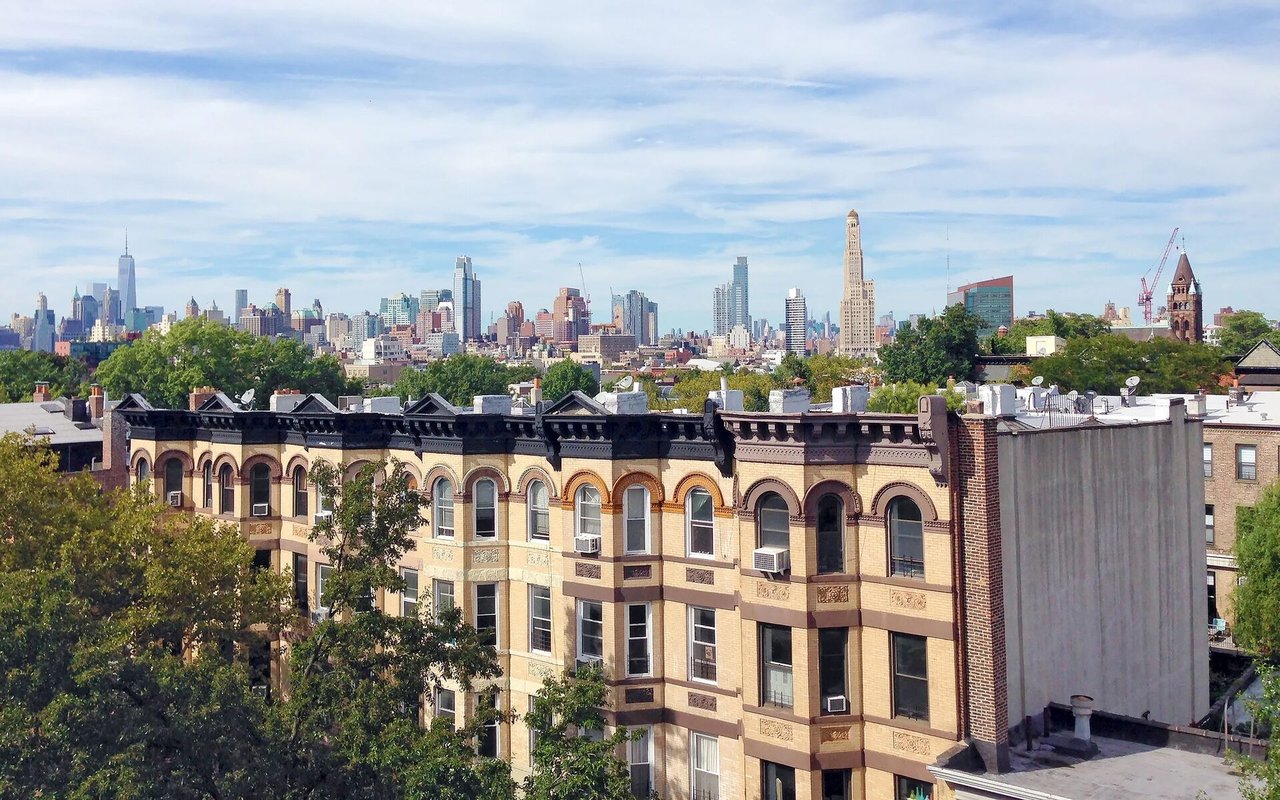
“Downtown Brooklyn is a central hub with access to the city, an easy commute and an ease of lifestyle. Everything is at your fingertips,” says Michael Bethoney, a broker with Nest Seekers International, who specializes in new luxury developments across New York City. “The megatowers and full-service projects bring a level of service that you often can’t find with other neighborhoods, though that’s starting to change. The height of the buildings [can reach] 60, 70, 80-story towers. On a high floor above Brooklyn, you can see all of Manhattan.” Downtown Brooklyn is less than 2 miles from Manhattan, making it one of the closest Brooklyn neighborhoods to the city. “People want to be there because of proximity to the city,” says Carolyn Cedar, a Brooklyn broker at Compass with two decades of real estate experience. “All the big amenities are there. There are larger retail opportunities. There are so many ways it’s a destination neighborhood.”
Sleek, high-rise condos
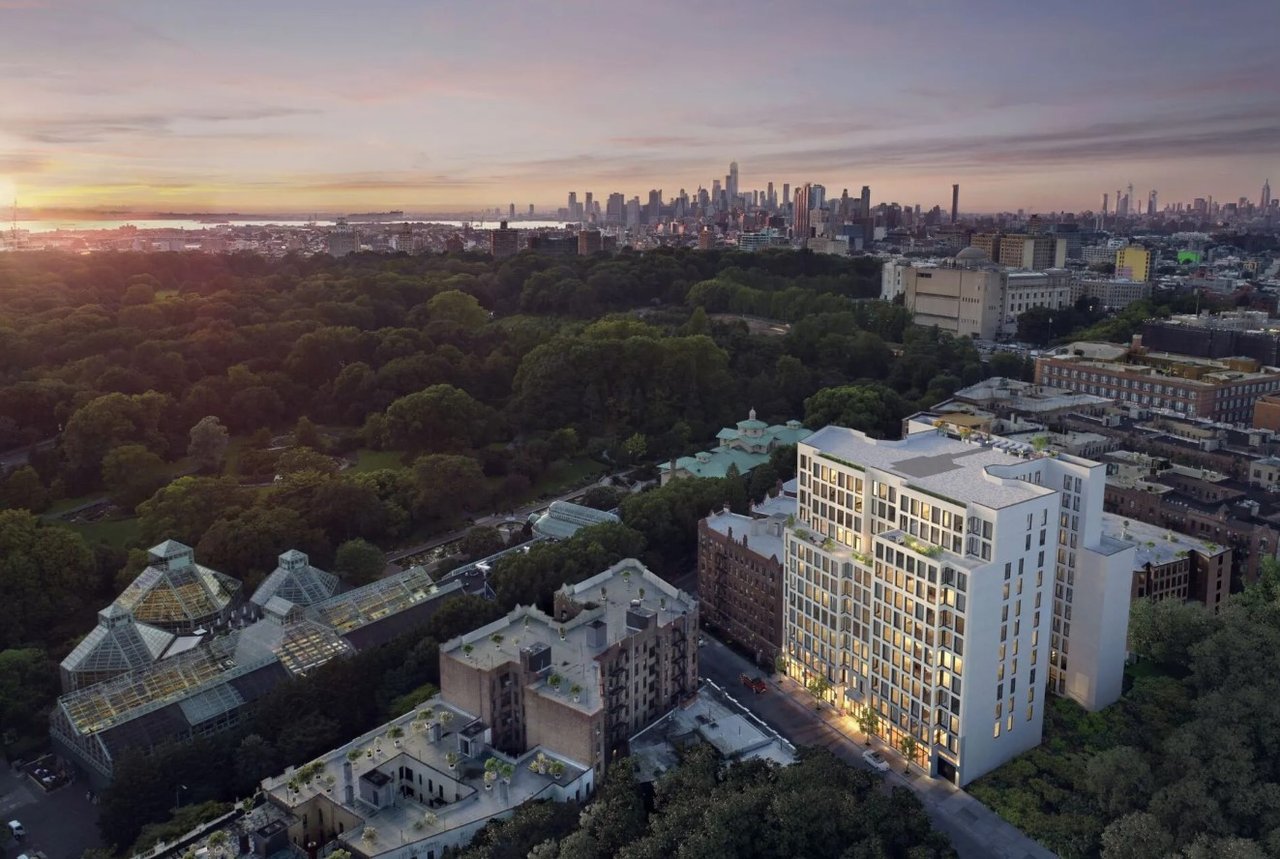
Condominiums in gleaming high-rises, including Brooklyn’s first supertall measuring over 1,000 feet, offer luxurious interiors, extensive indoor and outdoor amenities, and stunning views of Manhattan and New York Harbor. Many of these residences are condos that were built in the 21st century. Condos range in price from the lower $600,000s to about $3.8 million, depending on factors like size and views. Studios and one-bedrooms can reach up to $1.7 million and have monthly fees that can exceed $1,100. Two- and three-bedrooms start at the mid-$900,000s and can reach $3.8 million; monthly fees can exceed $1,500. Overall, Downtown Brooklyn consistently has high housing costs when compared to the rest of the New York metro area, though Manhattan has the distinction of being the priciest borough in New York City.
Co-ops also offer luxury amenities
Co-ops offer more affordability, and like high-rise condos, they have private amenities. For example, residents of co-ops in the Brooklyn Point building have access to an infinity pool, cycling studio, squash court and infrared sauna. Co-ops range widely in price, depending on factors like age and size. In co-op buildings dating back to the 1950s-1960s:
- One-bedrooms fall between the mid-$300,000s and the lower $600,000s.
- Two-bedrooms fall between the mid-$700,000s and the upper $900,000s.
- Monthly fees can reach about $1,840.
- One-bedrooms range from about $1.2 million to $1.6 million.
- Two-bedrooms range from about $1.8 million to $2.6 million.
- Monthly fees can reach about $1,690.
One of the borough’s best neighborhoods for public transit
Virtually every subway line passes through Downtown Brooklyn, making transit to other parts of the city quick and convenient. Commuters can get to Lower Manhattan in less than 10 minutes via subway. Downtown has nine subway stations and is one block away from the Atlantic Avenue Barclays Center train station, where the Long Island Rail Road passes through. “It’s the largest transit hub anywhere in the borough,” Bethoney says. “It’s one of those unicorn neighborhoods because of the subway transit.” For those traveling by car, entrances to the Brooklyn and Manhattan Bridges and the Brooklyn Queens Expressway are in Downtown Brooklyn. Bike lanes, sidewalks and bus routes make it easy to get around as well.
Vibrant attractions within walking distance
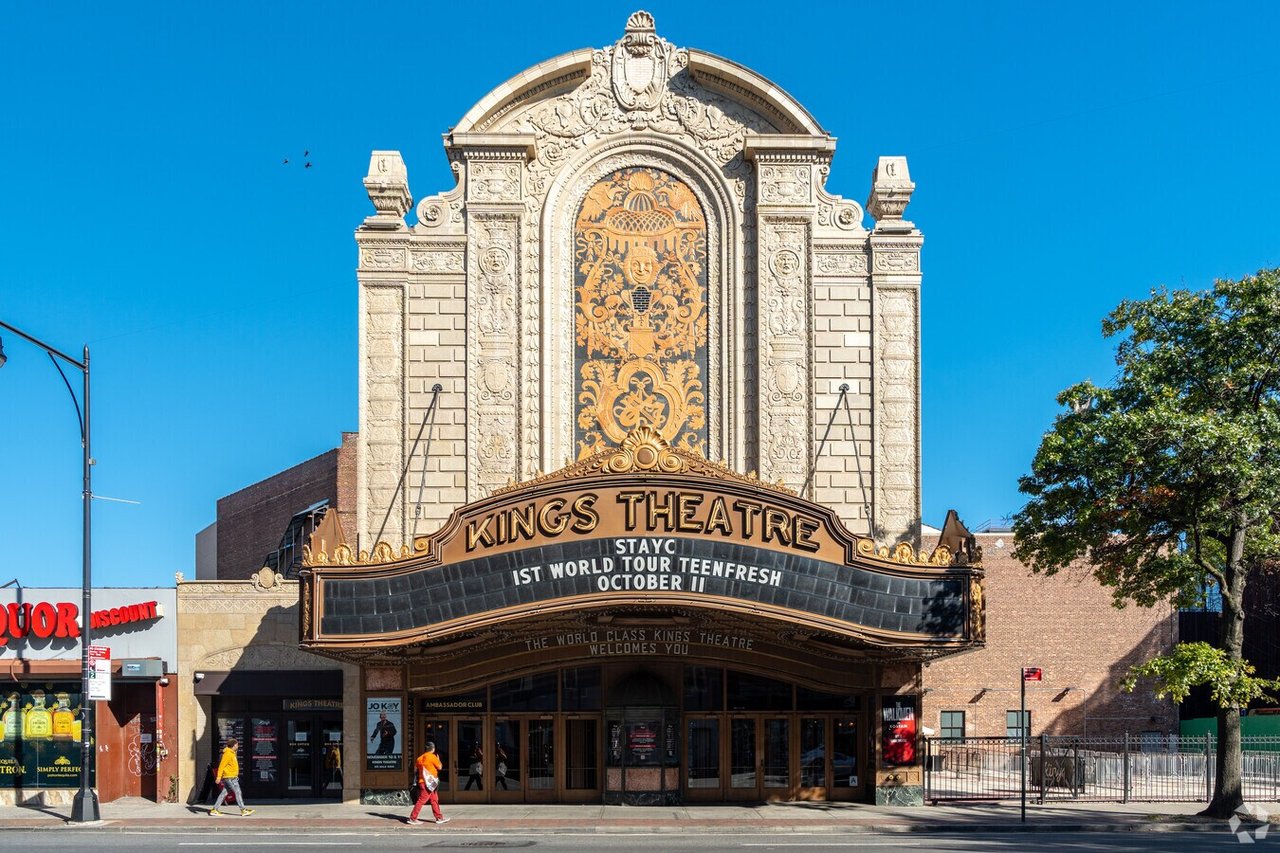
Downtown Brooklyn offers a little bit of everything, from walks in the park to shopping sprees at Macy’s. Downtown is home to Long Island University Brooklyn and borders the Brooklyn Academy of Music, so the community buzzes with a youthful, creative energy. Residents can head to Junior’s Restaurant & Bakery, famous for its New York cheesecake, or meet up at Dekalb Market Hall, a foodie’s paradise with 40 food vendors under one roof. However, properties are mostly a mix of apartments and offices, so the neighborhood does quiet down a bit after the office workers have left in the evenings. But there is more nightlife to explore immediately north of the neighborhood in DUMBO. Plus, nearby Barclays Center hosts the Brooklyn Nets basketball team and concerts featuring big names in entertainment, so there’s always something to do within walking distance.
Downtown Brooklyn’s ongoing development
“The energy is tangible, the vibrancy is real, it’s exploding upwards every single year with more mega-projects and towers coming,” Bethoney says, highlighting Fulton Street and the Flatbush corridor as two areas with lots of development. “[Downtown is] truly a flag that’s planted for Brooklyn writ large. Twenty years ago, you never would have been able to imagine the skyline with 50- to 60-plus-story buildings and the first supertall. It’s an engine that keeps going with still so much room to grow. Downtown is a tidal wave.”